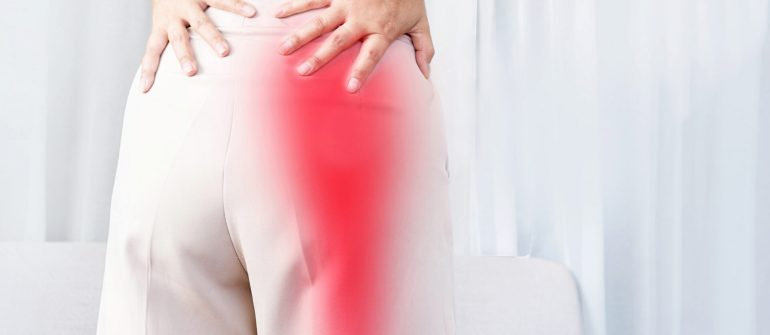
Sciatica can make simple daily activities such as walking, sitting, standing and bending uncomfortable. The pain may begin around the lower back or buttock and travel down the leg, sometimes accompanied by stiffness, tingling, numbness or weakness.
Ayurveda describes a condition with symptoms resembling sciatica as Gridhrasi. Traditional Ayurvedic approaches focus on understanding the nature of the symptoms, the individual’s constitution and the factors that may be contributing to discomfort before selecting a suitable treatment.
For people looking for Sciatica Pain Treatment at home in Hyderabad, home-based therapy can be a convenient option, particularly when travelling is difficult because of pain, stiffness or reduced mobility.
What Is Sciatica?
Sciatica generally refers to pain or other symptoms occurring along the pathway of the sciatic nerve. It commonly affects one side of the body and may involve the lower back, buttock, back of the thigh and lower leg.
A person may experience radiating pain from buttock to heel, although the exact location and pattern can differ from one person to another.
Sciatica may be associated with irritation or compression of a nerve root in the lower spine. Common causes can include a slipped or herniated disc, narrowing of the spinal canal, changes related to the spine or other conditions affecting the nerves.
The symptoms should therefore be properly assessed rather than assuming that every type of leg pain is sciatica.
Gridhrasi: The Ayurvedic Understanding of Sciatica-Like Symptoms
In Ayurveda, Gridhrasi is described among the conditions affecting the lower limbs and is characterised by symptoms that can resemble sciatica.
The name Gridhrasi is traditionally associated with the gait of a person experiencing the condition. Pain and stiffness may influence the way the patient walks, making movement uncomfortable.
Classical descriptions commonly include symptoms such as Shoola, or pain, and Stambha, referring to stiffness or rigidity.
The pain may begin in the lower back, hip or buttock region and extend downwards towards the leg. Depending on the presentation, other symptoms may also occur.
Ayurvedic assessment is important because Gridhrasi can present differently depending on whether Vata or Vata and Kapha are predominantly involved.
Vataja Gridhrasi and Vata Kaphaja Gridhrasi
Ayurvedic texts describe two broad presentations of Gridhrasi.
Vataja Gridhrasi
In Vataja Gridhrasi, symptoms are traditionally associated predominantly with Vata. Pain, stiffness and abnormal sensations may be prominent.
The person may experience Shoola along the affected pathway, stiffness and difficulty moving the limb comfortably. Symptoms may become more noticeable with certain movements or activities.
Vata Kaphaja Gridhrasi
Vata Kaphaja Gridhrasi involves features associated with both Vata and Kapha.
In addition to pain and stiffness, the person may experience heaviness in the lower limbs, reduced flexibility and a feeling of sluggishness. Traditional Ayurvedic assessment considers the overall pattern rather than looking at pain alone.
The distinction between these presentations helps an Ayurvedic practitioner determine an appropriate approach.
Common Symptoms of Sciatica
Sciatica symptoms can range from mild discomfort to significant pain that interferes with daily activities.
Common symptoms may include:
- Pain in the lower back or buttock
- Pain travelling down one leg
- Radiating pain from buttock to heel
- Tingling or altered sensation
- Numbness
- Muscle stiffness
- Difficulty sitting for long periods
- Difficulty standing or walking
- Reduced strength in the affected limb
- A feeling of heaviness in the lower limbs
In some people, the symptoms may become worse while sitting, coughing, sneezing or performing certain movements.
The pattern and severity of symptoms can vary depending on the underlying cause.
Understanding Shoola and Stambha
Two important Ayurvedic terms associated with Gridhrasi are Shoola and Stambha.
Shoola refers to pain, which may be experienced along the affected pathway. In sciatica-like conditions, this may present as pain extending from the lower back or buttock towards the leg.
Stambha refers to stiffness or rigidity. A person may feel that the affected limb or lower back does not move as freely as usual.
Pain and stiffness together can alter the gait of the patient. Someone may begin walking cautiously, avoid putting weight on one side or change their normal movement pattern because of discomfort.
Numbness, Sensory Loss and Weakness
Not every person with sciatica experiences only pain.
Nerve involvement may result in numbness or sensory loss in the affected limb. Some people may also notice tingling, pins-and-needles sensations or altered sensitivity.
A lack of strength in the leg or foot is another symptom that deserves attention. Difficulty lifting the foot, climbing stairs or maintaining balance should not be ignored.
These symptoms can indicate significant nerve involvement and may require medical evaluation. Ayurvedic therapy should not be used as a substitute for urgent medical assessment when there is progressive weakness or significant neurological impairment.
What Is Utkshepana?
Utkshepana is one of the symptoms described in relation to Gridhrasi. It refers to difficulty or discomfort associated with lifting or raising the affected limb.
A person may find it uncomfortable to raise the leg, particularly when stiffness and pain are present.
Modern clinical assessment may use different terminology to describe similar movement-related findings. Therefore, an Ayurvedic assessment and appropriate medical examination can both be useful when symptoms are significant or persistent.
Why Does Sciatica Occur?
Sciatica can have several possible causes. A common cause is irritation or compression of a nerve root in the lower spine.
Disc-related changes can sometimes place pressure on nearby nerve structures. Age-related changes in the spine, spinal stenosis, muscle problems and certain injuries may also contribute.
Poor posture, prolonged sitting, repetitive physical activity and inadequate movement may aggravate existing symptoms, although they are not necessarily the sole cause.
Because the underlying reason differs from person to person, identifying the cause is an important part of managing sciatica.
The Ayurvedic Role of Agni and Ama
Ayurveda considers Agni, or digestive and metabolic capacity, important to overall health.
When Agni is considered weak or impaired, Ayurveda describes the formation of Ama, which refers to incompletely processed or accumulated metabolic material in the traditional Ayurvedic framework.
An Ayurvedic practitioner may consider Agni, digestion, appetite, bowel habits and other individual factors when assessing musculoskeletal complaints.
This does not mean that every case of sciatica is caused by Ama. The assessment is individual, and the treatment approach depends on the person’s symptoms and Ayurvedic presentation.
Diet and lifestyle recommendations may therefore form part of an Ayurvedic plan alongside external therapies.
Ayurvedic Approaches for Gridhrasi
Traditional Ayurvedic management of Gridhrasi may involve different approaches depending on the person’s condition.
These can include:
- Abhyanga or suitable oil massage
- Swedana or therapeutic fomentation
- Patra Pinda Sweda
- Dietary guidance
- Lifestyle recommendations
- Selected Ayurvedic medicines
- Other therapies when indicated by the practitioner
The therapy should be selected after understanding the person’s symptoms, age, strength, digestion and overall health.
A treatment that is suitable for one person may not be appropriate for another.
What Is Patra Pinda Sweda?
Patra Pinda Sweda is a traditional Ayurvedic fomentation therapy using a bolus prepared with selected medicinal leaves and other ingredients.
The bolus is warmed and applied to appropriate areas of the body using a suitable technique. Depending on the individual’s condition, the therapy may be used to support comfort in areas affected by muscle stiffness and discomfort.
Warmth combined with the traditional massage technique can provide a soothing experience for some people.
However, Patra Pinda Sweda should not be treated as a universal treatment for every type of sciatica. The choice, duration and application method should be decided by a qualified practitioner after considering the individual’s health.
Can Patra Pinda Sweda Be Used for Sciatica?
Patra Pinda Sweda may be considered as part of an Ayurvedic approach when symptoms involve stiffness and muscular discomfort.
The warmth of the therapy can be relaxing, while the massage component may help support comfort and mobility. In Ayurvedic practice, the suitability of Swedana-based therapies depends on factors such as the individual’s constitution, symptoms, strength and the nature of the condition.
If sciatica is accompanied by significant numbness, progressive weakness or severe nerve-related symptoms, professional medical evaluation should come first.
Ayurvedic therapy can then be considered as supportive care where appropriate.
Why Home-Based Treatment Can Be Convenient
Travelling can become difficult when every step or movement causes discomfort. A person experiencing lower back and leg pain may prefer to receive suitable therapy in a familiar home environment.
Home-based Ayurvedic treatment can reduce the need for travel and allow the individual to rest before and after a session.
It may also be useful for elderly people or individuals with limited mobility who need assistance getting to a clinic.
A suitable space should be prepared at home for the therapy, and the practitioner should be informed about current symptoms, medications, previous injuries and any existing medical conditions.
Supporting Recovery Through Daily Habits
Ayurvedic therapy is only one part of managing sciatica symptoms. Daily habits can also influence comfort and mobility.
Long periods of sitting may aggravate symptoms for some people. Taking appropriate movement breaks and maintaining comfortable posture can be useful.
At the same time, complete bed rest for prolonged periods is generally not appropriate for most uncomplicated cases. Gentle activity should be based on the person’s condition and professional advice.
Physiotherapy may also be recommended to improve strength, flexibility and movement patterns where appropriate.
Maintaining a healthy weight, getting adequate rest and following an appropriate diet can further support general wellbeing.
When Should Sciatica Be Medically Evaluated?
Some symptoms require prompt medical attention.
Seek professional medical care if sciatica is associated with severe or rapidly worsening pain, significant weakness, progressive sensory loss, difficulty controlling bladder or bowel function, numbness around the groin or inner thighs, fever or recent major trauma.
A person with a history of cancer, serious infection or significant spinal injury should also seek appropriate medical evaluation for new or unusual symptoms.
These situations should not be managed solely with home massage or Ayurvedic therapy.
A Personalised Approach to Sciatica Care
Sciatica does not affect every person in the same way. The location of pain, severity, duration, underlying cause, age, mobility and other health factors all matter when deciding on care.
From an Ayurvedic perspective, understanding whether the presentation resembles Vataja or Vata Kaphaja Gridhrasi can help guide the traditional approach.
A qualified Ayurvedic practitioner may assess the person’s symptoms along with factors such as Agni, digestion, lifestyle and physical strength before recommending therapies.
This individualised approach is more appropriate than choosing a therapy simply because it is commonly associated with sciatica.
Final Thoughts
Sciatica can affect mobility, sleep, work and everyday activities when pain travels from the lower back or buttock into the leg. Symptoms such as Shoola, Stambha, numbness, sensory changes, weakness and heaviness can make normal movement difficult.
Ayurveda describes a sciatica-like presentation as Gridhrasi, with Vataja and Vata Kaphaja patterns described according to the associated symptoms. Traditional therapies such as Patra Pinda Sweda may be considered as part of a personalised approach when appropriate.
For people who find travelling difficult, home-based Ayurvedic care in Hyderabad can offer greater convenience. However, significant nerve symptoms should always receive appropriate medical assessment before starting therapy.
The aim of care should be to understand the underlying problem, support comfortable movement and address the individual’s needs through an appropriate combination of professional guidance, lifestyle measures and suitable therapies.
Frequently Asked Questions
1. What is Gridhrasi in Ayurveda?
Gridhrasi is an Ayurvedic condition described with symptoms that can resemble sciatica. Traditional descriptions include pain or Shoola, stiffness or Stambha, difficulty moving the affected limb and pain that may travel along the lower limb.
2. Can Patra Pinda Sweda help with sciatica?
Patra Pinda Sweda may be considered as supportive Ayurvedic care when sciatica-like symptoms are associated with stiffness and muscular discomfort. Its suitability depends on the individual’s condition and should be determined by a qualified Ayurvedic practitioner.
3. Can I get Ayurvedic sciatica treatment at home in Hyderabad?
Yes, suitable Ayurvedic therapies can be provided at home when home-based treatment is appropriate. This can be convenient for people experiencing pain, stiffness or reduced mobility. A professional assessment should be completed before selecting the therapy.
4. Can sciatica cause numbness and weakness?
Yes. Nerve irritation or compression associated with sciatica can sometimes cause numbness, altered sensation or weakness in the affected leg or foot. Progressive weakness or significant sensory loss requires medical evaluation.
5. Is sciatica always caused by Vata?
Ayurveda may interpret sciatica-like symptoms through the concept of Gridhrasi and may identify Vataja or Vata Kaphaja patterns. However, from a modern medical perspective, sciatica can have different physical causes. Proper assessment is important before deciding on treatment.