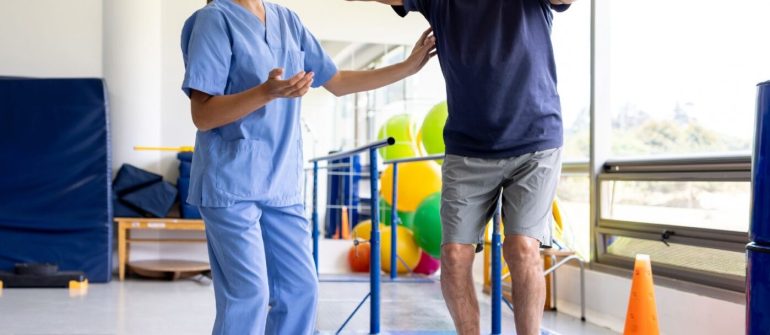
Parkinson’s disease is a progressive neurological condition that can affect movement, balance and several aspects of everyday life. Symptoms may include tremors, stiffness, slowed movement, changes in posture and difficulty with walking. Some people may also experience sleep problems, constipation, fatigue, mood changes or dizziness.
Supporting a person with Parkinson’s often requires more than focusing on movement symptoms alone. Regular medical care, physiotherapy, appropriate exercise, nutrition, emotional support and assistance with daily activities can all have an important role.
Ayurveda has traditionally approached neurological and Vata-related conditions through personalised therapies and lifestyle measures. For families looking for Parkinsons Treatment at home in Delhi, home-based Ayurvedic care can provide a convenient option for suitable supportive therapies, particularly when travelling is difficult for an elderly person.
Understanding Parkinson’s Disease
Parkinson’s disease primarily affects the nervous system and can gradually influence a person’s ability to control movement.
Common motor symptoms include:
- Tremors, particularly when the affected limb is at rest
- Muscle stiffness
- Slower movements
- Changes in walking pattern
- Difficulty maintaining balance
- Reduced facial expressions
- Changes in handwriting
- Difficulty performing everyday movements
The symptoms do not necessarily appear in the same way or progress at the same rate in every person.
Parkinson’s can also involve non-motor symptoms. Constipation, disturbed sleep, fatigue, changes in mood, dizziness and problems with concentration may occur in some individuals.
Because Parkinson’s is a complex neurological condition, ongoing assessment by an appropriate medical professional remains important.
Parkinson’s and the Ayurvedic Perspective
Ayurveda places considerable importance on the nervous system and the movement-related functions associated with Vata. Prana Vata, one of the subdivisions of Vata, is traditionally associated with functions involving the head, mind, sensory activities and certain aspects of nervous system regulation.
Ayurvedic practitioners may consider Vata-related imbalance when assessing symptoms such as tremors, stiffness and reduced movement.
However, an Ayurvedic interpretation should not replace a neurological diagnosis. Parkinson’s disease requires appropriate medical assessment, and Ayurvedic therapies should be considered as supportive care alongside conventional medical management when suitable.
What Is Dysautonomia?
The reference material discusses dysautonomia, a term used for disorders involving the autonomic nervous system.
The autonomic nervous system regulates many functions that occur automatically, including blood pressure, heart rate, digestion, sweating and temperature regulation.
A person with autonomic dysfunction may experience symptoms such as:
- Dizziness
- Changes in blood pressure
- Fatigue
- Digestive problems
- Changes in sweating
- Difficulty regulating body temperature
- Changes in heart rate
Some people with Parkinson’s disease can experience autonomic symptoms. However, dizziness or changes in blood pressure should not automatically be assumed to be caused by Parkinson’s.
A medical professional should evaluate persistent or severe symptoms.
Parkinson’s and Non-Motor Symptoms
Parkinson’s is not limited to tremors and movement difficulties.
A person may experience fatigue, sleep disturbances, constipation, changes in mood or a mood swing. These concerns can have a significant impact on quality of life.
Dizziness can also be particularly concerning in older adults because it may increase the risk of falls. If dizziness occurs when standing, the person should inform their doctor, especially if they are taking medicines that can influence blood pressure.
Emotional support is equally important. Living with a progressive neurological condition can be frustrating for both the individual and their family.
Parkinson’s and Chest Pain
Chest pain should never automatically be considered a symptom of Parkinson’s disease or an Ayurvedic imbalance.
New, severe or unexplained chest pain requires immediate medical attention, particularly when accompanied by breathlessness, sweating, fainting, nausea or pain spreading to the arm, shoulder, jaw or back.
Ayurvedic massage or home therapy should not be used to delay emergency medical assessment.
This distinction is important when providing supportive care for elderly people because several health conditions can exist at the same time.
Autoimmune Conditions and Neurological Symptoms
Neurological symptoms can sometimes occur alongside other systemic conditions. Some Autoimmune conditions may affect the nervous system or cause symptoms that overlap with other neurological disorders.
Examples discussed in medical literature include GB Syndrome (Guillain-Barré syndrome), Sjogren syndrome and SLE (systemic lupus erythematosus).
These conditions are different from Parkinson’s disease and require their own medical evaluation and treatment.
Therefore, tremors, weakness, numbness, fatigue or balance problems should not automatically be labelled as Parkinson’s without appropriate diagnosis.
Ayurvedic Approaches Used in Traditional Neurological Care
Ayurvedic treatment plans can vary considerably depending on the individual’s symptoms, age, strength, digestion and overall health.
Traditional Panchakarma and supportive therapies may be considered in selected cases. These can include vasti, virechana, nasya and sneha pana.
These procedures are not appropriate for everyone, particularly elderly people with multiple health conditions. They should only be performed or prescribed under the supervision of a qualified Ayurvedic physician after assessing the individual’s suitability.
The objective is to develop a personalised care plan rather than applying every Panchakarma procedure to every person with Parkinson’s.
Abhyanga and Swedana in Supportive Care
Abhyanga Swedana combines traditional oil massage with appropriate fomentation.
Ayurvedic practitioners may consider gentle oil massage as part of supportive care for individuals experiencing muscular stiffness. The warmth and massage may provide comfort and relaxation when appropriately administered.
For an elderly person with Parkinson’s, the therapist should take special care with positioning, balance and movement. The therapy should be adapted to the person’s mobility and physical strength.
The presence of osteoporosis, cardiovascular conditions, recent surgery, skin problems or other health concerns may require modifications or make certain therapies unsuitable.
Ksheera Dhara, Taila Dhara and Takra Dhara
Certain traditional Ayurvedic therapies involve the gentle pouring of liquids over specific areas of the body.
Ksheera Dhara uses milk-based preparations, while Taila Dhara involves suitable medicated oil. Takra Dhara traditionally uses medicated buttermilk.
These therapies are used in different Ayurvedic contexts and may be recommended according to the individual’s presentation.
They should not be presented as treatments that cure Parkinson’s disease. Instead, when considered suitable, they may form part of a broader supportive Ayurvedic care plan focused on relaxation, comfort and wellbeing.
The Importance of Individual Assessment
Two people diagnosed with Parkinson’s can have very different symptoms.
One person may primarily experience tremors, while another may struggle more with stiffness, slow movement or balance. Someone else may have significant sleep problems, constipation or dizziness.
Age, medication, physical strength, other medical conditions and the stage of the disease also influence the type of support that may be appropriate.
An Ayurvedic practitioner may therefore assess the person’s constitution, symptoms, digestion, daily routine and overall condition before recommending therapy.
This personalised approach is particularly important for elderly people.
Home-Based Parkinson’s Care
Travelling to a clinic may become challenging when a person has difficulty walking, maintaining balance or getting in and out of a vehicle.
Home-based supportive care can make regular therapy more convenient. The person can remain in a familiar environment and avoid the physical effort associated with travelling.
For families caring for an elderly parent, home treatment may also make it easier to coordinate therapy with medication schedules, meals, rest and other daily activities.
Before a home visit, the therapist should be informed about the person’s mobility, fall history, medical conditions and current medications.
Creating a Safer Home Environment
Falls are a major concern for people with Parkinson’s, particularly when balance or gait is affected.
Simple changes around the home can help reduce hazards. Loose rugs, cluttered walkways and poor lighting should be addressed where possible.
Frequently used items should be kept within easy reach. Bathrooms and other areas where slipping is possible may require additional safety measures.
Family members should also pay attention to changes in walking ability, freezing episodes, dizziness and difficulty standing.
A physiotherapist may provide personalised recommendations for exercises, mobility and fall prevention.
Diet, Digestion and Daily Routine
Ayurveda considers digestion and daily routine important components of overall wellbeing. Maintaining regular meals, adequate hydration and suitable physical activity may support general health.
Constipation can be particularly troublesome for some people with Parkinson’s. Dietary fibre, fluids and appropriate physical activity may help, although individual dietary requirements can vary.
A sneha pana procedure, which involves internal consumption of medicated ghee or oil in traditional Ayurvedic practice, should never be attempted independently. It requires appropriate assessment and professional supervision.
Likewise, Ayurvedic medicines or Panchakarma procedures should be discussed with a qualified practitioner, particularly when the person is taking prescribed Parkinson’s medicines.
Parkinson’s Care Should Be Comprehensive
Ayurvedic supportive care should not be considered a replacement for neurological treatment.
A comprehensive care plan may involve:
Neurological care: Regular medical assessment and prescribed medication.
Physiotherapy: Exercises for strength, flexibility, balance and mobility.
Ayurvedic supportive care: Suitable therapies based on individual assessment.
Nutrition: Appropriate dietary guidance and hydration.
Home safety: Measures to reduce fall risks.
Emotional support: Assistance for both the individual and family caregivers.
This combination can help address different aspects of living with Parkinson’s.
When Should You Seek Medical Help?
Certain symptoms require immediate medical attention.
Seek urgent medical care for symptoms such as sudden severe weakness, loss of consciousness, new severe chest pain, difficulty breathing, sudden speech or vision changes, or a sudden significant change in neurological function.
A person with Parkinson’s should also inform their doctor about repeated falls, worsening dizziness, difficulty swallowing, significant weight loss, hallucinations or major changes in behaviour or alertness.
These symptoms may require changes in medical management and should not be managed through home massage alone.
A Gentle and Personalised Approach
Parkinson’s care requires patience. Some days may be easier than others, and symptoms can fluctuate.
The purpose of supportive therapy is not to promise a cure but to help the individual maintain comfort, mobility and quality of life wherever possible.
Ayurvedic therapies such as Abhyanga Swedana, Ksheera Dhara, Taila Dhara or Takra Dhara may be considered in selected cases. More intensive procedures such as vasti, virechana, nasya or sneha pana require professional assessment and should not be performed without appropriate supervision.
For elderly people, treatment intensity should always be adjusted according to strength, medical history and tolerance.
Final Thoughts
Parkinson’s disease affects each person differently. Along with movement symptoms such as tremors, stiffness and slower movements, some individuals may experience fatigue, mood changes, dizziness, constipation and other non-motor concerns.
Ayurveda traditionally places importance on Vata and concepts such as Prana Vata when considering neurological and movement-related complaints. Supportive therapies may be selected according to the individual’s condition, with attention to age, strength, digestion and other health factors.
For families seeking home-based care in Delhi, receiving appropriate Ayurvedic supportive therapies at home can make ongoing care more convenient, particularly for elderly individuals with mobility difficulties.
The most important principle is to keep the approach personalised and safe. Parkinson’s requires appropriate medical supervision, and Ayurvedic therapies should complement, rather than replace, necessary neurological treatment and prescribed medicines.
Frequently Asked Questions
1. Can Ayurvedic treatment cure Parkinson’s disease?
There is currently no basis for claiming that Ayurvedic treatment can cure Parkinson’s disease. Ayurvedic therapies may be considered as supportive care for relaxation, comfort and general wellbeing alongside appropriate neurological treatment.
2. Can Parkinson’s supportive Ayurvedic therapy be provided at home in Delhi?
Yes, suitable Ayurvedic therapies can be provided at home when the person’s condition allows it. Home-based care may be particularly convenient for elderly individuals who have difficulty travelling because of stiffness, balance problems or reduced mobility.
3. What Ayurvedic therapies may be considered for Parkinson’s supportive care?
Depending on individual assessment, traditional therapies such as Abhyanga Swedana, Ksheera Dhara, Taila Dhara and Takra Dhara may be considered. Procedures such as vasti, virechana, nasya and sneha pana require assessment and supervision by a qualified Ayurvedic physician.
4. Can Parkinson’s cause dizziness and fatigue?
Some people with Parkinson’s may experience dizziness and fatigue. Dizziness can also be associated with autonomic changes, medications or other health conditions. Persistent or severe dizziness should be discussed with a medical professional.
5. Is Ayurvedic massage safe for elderly people with Parkinson’s?
Gentle massage may be suitable for some people, but safety depends on the person’s overall health, mobility, medication, balance and other medical conditions. A qualified professional should assess the individual and modify the therapy accordingly.