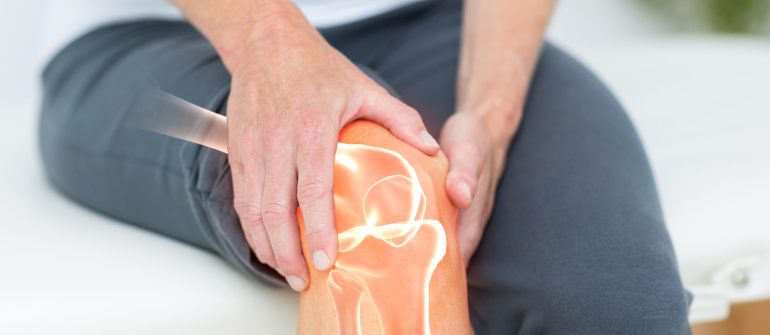
Arthritis can gradually affect everyday life, making activities such as walking, climbing stairs, standing for long periods or even getting up from a chair uncomfortable. Joint pain and stiffness may become more noticeable with age, but arthritis can affect people at different stages of life for different reasons.
Ayurveda has traditionally described joint-related conditions through concepts such as Sandhigata Vata and Vatarakta, depending on the symptoms and underlying factors. Ayurvedic care focuses on understanding the individual’s condition and supporting joint comfort, mobility and overall wellbeing through personalised therapies, diet, lifestyle measures and appropriate medicines.
For people looking for Arthritis Treatments at home in Bangalore, home-based care can be a convenient option, particularly for elderly people or those who find travelling difficult because of joint stiffness or reduced mobility.
Understanding Arthritis and Joint Problems
Arthritis is a broad term used for conditions that affect the joints. Different types of arthritis can have different causes, symptoms and patterns of progression. Common complaints include pain, stiffness, swelling, reduced flexibility and difficulty moving the affected joint.
Osteoarthritis, for example, is commonly associated with gradual joint degeneration. The protective cartilage within a joint can become thinner over time, which may affect smooth movement and contribute to discomfort.
In some people, joint problems may also be associated with previous joint injury, fractures or sprains. Repeated stress on a joint, excess body weight, age-related changes and certain health conditions may further influence joint health.
When arthritis progresses, loss of mobility can affect independence and quality of life. This is why managing symptoms and maintaining appropriate movement can be an important part of long-term care.
Arthritis of the Big Toe
Arthritis does not affect only the knees, hips or hands. The big toe can also develop osteoarthritis, particularly at the joint where the toe connects to the foot.
This joint is known as the metatarsophalangeal joint, or MTP joint. It plays an important role while walking because the big toe bends as the foot moves forward.
The medical term hallux refers to the big toe. When osteoarthritis affects the MTP joint, a person may experience pain while walking, stiffness while bending the toe and discomfort when wearing certain footwear.
In some cases, a bony enlargement or deformity may develop around the joint. Persistent symptoms should be assessed by a qualified healthcare professional to understand the underlying cause.
What Happens to the Cartilage?
The cartilage in the main joint of the big toe helps the joint surfaces move smoothly against each other. With osteoarthritis, this cartilage can gradually wear down.
As cartilage becomes damaged or thinner, the joint may become less smooth. Changes in the underlying bone can also occur. This process is part of joint degeneration and can eventually affect normal movement.
The problem is not simply about the cartilage alone. The surrounding tissues, muscles, bones and mechanics of the foot can also influence how a person experiences pain.
Repeated stress and persistent friction may contribute to discomfort when the joint is already affected by degenerative changes.
Common Symptoms of Arthritis
Arthritis symptoms can vary depending on the type of condition and the joint involved.
Some common symptoms include:
- Joint pain during movement
- Stiffness after periods of rest
- Swelling around the joint
- Reduced range of movement
- Difficulty walking or climbing stairs
- Tenderness around the affected area
- Pain that becomes worse after prolonged activity
- Difficulty bending or straightening a joint
- Changes in joint shape or deformities in advanced cases
Big-toe arthritis may cause pain while pushing off the ground during walking. Some people may also find that tight shoes increase discomfort because they put pressure on the affected area.
Why Does Arthritis Develop?
There is no single reason why every person develops arthritis. Age-related changes are an important factor in osteoarthritis, but other influences can also contribute.
Previous injuries, fractures and sprains can affect how a joint functions later in life. Repeated physical stress may also place additional pressure on certain joints.
In some cases, problems affecting nerves can make joint-related symptoms more difficult to understand. Neuropathy, for example, may cause altered sensation, tingling, burning or numbness in the feet. These symptoms should not automatically be assumed to be arthritis.
Body weight, physical activity, footwear and movement patterns can also influence the amount of stress placed on joints.
Because several factors may contribute to joint pain, proper assessment is important before deciding on a treatment approach.
The Ayurvedic View of Joint Pain
Ayurveda describes many joint-related conditions through the concept of Vata. A condition commonly associated with pain, stiffness and degeneration of joints is Sandhigata Vata.
The term refers broadly to Vata-related changes affecting the joints. Traditional Ayurvedic management may involve approaches intended to support the affected joint, improve comfort and maintain mobility.
Another classical concept is Vatarakta, which is associated with an interaction between Vata and Rakta. The presentation of Vatarakta can differ from typical age-related osteoarthritis, and it should not be used as a general label for every type of joint pain.
This distinction is important because different conditions may require different approaches. An Ayurvedic practitioner should assess the symptoms and individual constitution before recommending treatment.
What Is Sandhigata Vata Chikitsa?
Sandhigata Vata chikitsa refers to traditional Ayurvedic management approaches for Vata-related joint conditions.
Depending on the individual’s symptoms and health status, an Ayurvedic practitioner may consider therapies involving oil application, massage, fomentation, dietary recommendations, lifestyle measures and selected Ayurvedic formulations.
The objective is not simply to massage the painful area. A complete approach considers the person’s age, digestion, activity level, pain pattern, stiffness, strength and other relevant health factors.
For elderly individuals, therapies may also need to be modified according to their mobility and overall physical condition.
The Role of Vatarakta Chikitsa
Vatarakta chikitsa is a traditional Ayurvedic approach associated with conditions described under Vatarakta. It should not be considered interchangeable with treatment for osteoarthritis.
If a person experiences redness, significant swelling, sudden severe pain, burning sensations or other unusual symptoms, professional assessment is important before starting any home therapy.
Ayurvedic treatment should be selected according to the individual’s condition rather than based only on the location of pain.
Can Ayurvedic Massage Support Arthritis Care?
Ayurvedic massage, when appropriately selected, may be used as part of supportive care for people experiencing joint stiffness and muscular discomfort.
Traditional oil massage can provide warmth and relaxation around areas affected by stiffness. Depending on the person’s condition, an Ayurvedic professional may recommend suitable oils and techniques.
However, massage is not appropriate for every type of joint problem at every stage. A painful, acutely swollen or recently injured joint may require medical assessment before massage is considered.
This is especially important when symptoms have appeared suddenly or when the person has a history of fractures, serious injuries or other medical conditions.
Why Home-Based Arthritis Care Can Be Helpful
Travelling to a clinic can be difficult for someone with severe stiffness or loss of mobility. This can be particularly challenging for elderly individuals who need assistance while walking.
Home-based therapy provides an opportunity to receive appropriate supportive care in a familiar environment. It can also make regular sessions easier to manage when a person requires repeated therapy.
For family members caring for elderly parents, home treatment can reduce the practical difficulty of arranging transportation for every appointment.
The therapist or practitioner can also understand the home environment and provide practical guidance on movement, rest and daily routines when appropriate.
Supporting Joint Mobility at Home
Appropriate movement is an important part of maintaining functional mobility. Avoiding movement completely because of fear of pain can sometimes lead to greater stiffness.
However, exercise should be appropriate for the person’s condition. Someone with significant arthritis, an acute injury or severe pain should not begin strenuous exercises without professional guidance.
Simple activities recommended by a physiotherapist or healthcare professional may help maintain flexibility and strength.
Other everyday considerations can include maintaining a healthy body weight, choosing comfortable footwear and avoiding prolonged positions that increase joint discomfort.
For big-toe arthritis, footwear is particularly important. Shoes that place excessive pressure on the MTP joint can make symptoms more noticeable.
When Should You Seek Medical Attention?
Joint pain should not always be managed at home.
Medical evaluation is particularly important when pain is sudden or severe, the joint becomes significantly swollen or red, there is fever, the joint cannot be moved normally, or symptoms develop following an injury.
People with diabetes or neuropathy should also take foot and toe symptoms seriously because reduced sensation can sometimes make injuries harder to notice.
Similarly, persistent pain that interferes with walking or daily activities deserves professional assessment.
An Ayurvedic consultation can be considered as part of an integrated approach, but it should not delay necessary medical evaluation.
A Personalised Approach to Arthritis Care
There is no single Ayurvedic therapy that is suitable for everyone with arthritis. The treatment approach may depend on the type of arthritis, affected joints, age, symptoms, mobility and other health factors.
A person with gradual knee stiffness may require a different approach from someone experiencing big-toe pain, inflammatory symptoms or discomfort following an old injury.
Ayurvedic care can therefore be planned around the individual’s needs. Depending on the assessment, the plan may include suitable external therapies, lifestyle recommendations, dietary guidance and other traditional approaches.
The purpose is to support comfort and function while taking the person’s overall health into account.
Final Thoughts
Arthritis can affect much more than the joints. Persistent pain and stiffness can gradually change how a person walks, exercises, works and performs everyday activities. Early attention to symptoms and appropriate long-term care can help people manage their condition more effectively.
Ayurveda traditionally approaches joint conditions through concepts such as Sandhigata Vata chikitsa and Vatarakta chikitsa, with treatment selected according to the individual’s presentation. Supportive therapies such as appropriate Ayurvedic massage may form part of a personalised care plan.
For elderly people and others who find travelling difficult, home-based Ayurvedic care can provide a convenient way to receive professional attention without the stress of travelling to a clinic.
The most important step is to understand the reason behind the joint pain before choosing a therapy. With appropriate professional guidance, dietary habits, suitable movement, lifestyle changes and personalised Ayurvedic care can work together to support joint comfort and mobility.
Frequently Asked Questions
1. Can Ayurveda help with arthritis and joint stiffness?
Ayurvedic therapies may be used as supportive care for joint pain, stiffness and mobility concerns. The appropriate approach depends on the type of arthritis, symptoms, age and overall health. A qualified Ayurvedic practitioner should assess the condition before recommending treatment.
2. Can I get Ayurvedic arthritis treatment at home in Bangalore?
Yes. Home-based Ayurvedic therapy can be a convenient option for people who have difficulty travelling because of joint pain, stiffness or reduced mobility. The therapy should be selected according to the individual’s condition and suitability.
3. Is big-toe arthritis the same as a sprain or fracture?
No. Arthritis of the big toe involves changes within the joint, commonly the metatarsophalangeal joint, whereas a sprain involves damage to supporting ligaments and a fracture involves a broken bone. Pain following an injury should be properly assessed before starting arthritis treatment.
4. What is Sandhigata Vata chikitsa?
Sandhigata Vata chikitsa refers to traditional Ayurvedic management approaches for joint conditions associated with Vata. Depending on the individual, Ayurvedic practitioners may consider external therapies, massage, fomentation, diet and lifestyle measures.
5. When should I see a doctor for joint pain?
Seek professional medical assessment if joint pain is severe, sudden, associated with significant swelling or redness, follows an injury, causes major difficulty walking, or is accompanied by fever, numbness or other unusual symptoms. People with neuropathy or other conditions affecting foot sensation should take new foot or toe symptoms particularly seriously.