Sciatica pain can make everyday activities difficult. Sitting for long periods, walking, bending, getting out of bed or standing for extended periods may become uncomfortable when pain travels from the lower back or buttock into the leg.
In Ayurveda, a condition with symptoms similar to sciatica is traditionally described as Gridhrasi. Ayurveda approaches Gridhrasi by considering the nature of the pain, stiffness, affected areas, digestion, lifestyle and the individual’s overall health.
Ayurvedic therapies may be considered as supportive care for suitable people with sciatica. For individuals searching for Ayurveda Treatment for Sciatica Pain, treatment can include external therapies, therapeutic massage, fomentation and other traditional approaches selected according to the person’s condition.
What Is Sciatica Pain?
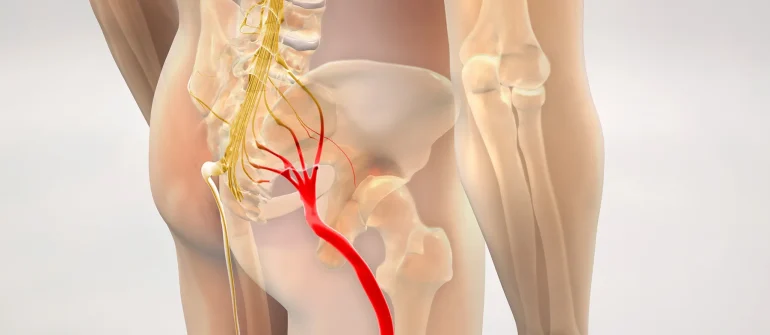
Sciatica generally refers to pain or other symptoms occurring along the pathway of the sciatic nerve. It commonly affects one side of the body.
The discomfort may begin in the lower back or buttock and travel through the back of the thigh and lower leg. Some people may also experience tingling, numbness, burning sensations or weakness.
The underlying cause can vary. Disc-related problems, narrowing of the spinal canal, age-related spinal changes and certain injuries can irritate or compress nerves in the lower back.
Because different conditions can produce similar symptoms, proper assessment is important before deciding on treatment.
Gridhrasi: The Ayurvedic Understanding
Ayurveda describes Gridhrasi as a condition characterised by pain and stiffness affecting the lower back and lower limb region.
The symptoms can influence the way a person walks, with movement becoming uncomfortable because of pain or stiffness.
Two broad presentations traditionally described are Vataja Gridhrasi and Vata Kaphaja Gridhrasi.
In Vataja Gridhrasi, symptoms associated with Vata, such as pain and stiffness, may be more prominent. In Vata Kaphaja Gridhrasi, symptoms associated with Kapha, including heaviness and stiffness, may also be present.
An Ayurvedic practitioner considers the complete symptom pattern rather than diagnosing Gridhrasi based on leg pain alone.
Common Symptoms of Gridhrasi
The symptoms of sciatica can differ from person to person. Common complaints may include:
- Pain in the lower back or buttock
- Pain travelling down the leg
- Stiffness in the lower back or limb
- Tingling or altered sensation
- Numbness
- Difficulty walking
- Reduced flexibility
- Heaviness in the lower limb
- Muscle weakness
- Difficulty sitting or standing for long periods
Pain may sometimes become worse with particular movements or prolonged sitting.
If weakness or numbness is progressive, medical assessment should be obtained rather than relying only on home treatment.
Vataja and Vata Kaphaja Gridhrasi
Ayurvedic classification can help practitioners understand different symptom patterns.
Vataja Gridhrasi
Vataja Gridhrasi is traditionally associated with symptoms such as pain, stiffness and difficulty with movement.
The discomfort may follow the pathway of the affected limb and may be aggravated by certain movements.
Vata Kaphaja Gridhrasi
Vata Kaphaja Gridhrasi may involve pain and stiffness along with heaviness in the affected limb.
The Ayurvedic treatment approach may therefore differ according to the predominant symptoms and the individual’s overall condition.
This is why treatment should be personalised instead of using the same therapy for everyone with sciatica.
Ayurvedic Approach to Sciatica
Ayurvedic management of Gridhrasi may involve a combination of external therapies, internal medicines, diet and lifestyle recommendations.
Depending on the person’s condition, an Ayurvedic practitioner may consider therapies such as Snehana, Swedana, Mridu samshodhana, Pizhichil or Basti.
The selection depends on factors such as age, strength, digestion, duration of symptoms and the presence of other medical conditions.
The goal is to provide an individualised approach rather than promising a cure through a single procedure.
Snehana and Oleation
Snehana refers to oleation therapy in Ayurveda. It can involve external oil application or, in selected circumstances, internal oleation.
External oil massage may be used to support relaxation and comfort in areas affected by stiffness and muscular tension.
Oleation is traditionally associated with Vata management. However, internal oleation is not suitable for everyone and should only be undertaken under professional supervision.
For a person with digestive problems or certain medical conditions, the practitioner may need to modify or avoid particular forms of Snehana.
Swedana for Stiffness
Swedana refers to therapeutic sweating or fomentation used in Ayurveda.
Warmth can help relax muscles and may provide temporary comfort for some people experiencing stiffness.
Different forms of Swedana can be selected depending on the individual’s condition. Heat intensity and duration should be carefully controlled.
People with certain cardiovascular conditions, acute inflammation, dehydration or heat sensitivity may require additional precautions.
Swedana should therefore be performed by a trained professional rather than attempted without guidance.
Patra Pinda Sweda for Sciatica Support
Patra Pinda Sweda is a traditional Ayurvedic therapy involving heated herbal boluses prepared with selected leaves and herbs.
The warm bolus is applied to appropriate areas using traditional massage techniques. Depending on the individual’s symptoms, it may be considered for muscular stiffness and discomfort.
For someone with Gridhrasi-like symptoms, Patra Pinda Sweda may be included as part of a broader Ayurvedic treatment plan when appropriate.
However, it is not suitable for every person with sciatica. Severe inflammation, acute injury, reduced sensation or other health concerns may require a different approach.
Pizhichil
Pizhichil is a traditional Ayurvedic therapy in which warm medicated oil is poured over the body or selected areas in a controlled manner, usually alongside gentle massage.
It is traditionally used in certain Vata-related and musculoskeletal conditions.
For individuals with sciatica-like symptoms, Pizhichil may be considered when the practitioner believes it is appropriate.
The temperature of the oil and duration of therapy need to be carefully controlled, particularly for elderly individuals or people with sensitive skin.
Basti in Ayurvedic Sciatica Care
Basti is one of the important therapies traditionally used in Ayurveda for Vata-related conditions.
It involves the administration of a medicated preparation through the rectal route under controlled clinical conditions. Different types of Basti are selected according to the individual’s condition.
In traditional Ayurvedic practice, Basti may be considered for Gridhrasi and other Vata-related musculoskeletal conditions.
Because it is a specialised procedure, it should only be performed under the supervision of a qualified Ayurvedic physician after assessing suitability.
Mridu Samshodhana
Mridu samshodhana refers to a gentle cleansing approach used in selected Ayurvedic treatment plans.
The purpose, method and intensity depend on the individual’s health and Ayurvedic assessment.
It should not be assumed that strong cleansing therapies are suitable for everyone with sciatica. Age, strength, digestion, hydration and other medical conditions all need to be considered.
For elderly or physically weak individuals, a practitioner may choose a gentler approach or avoid certain procedures altogether.
Other Traditional Therapies
Ayurveda describes several additional procedures for specific conditions.
Rakta mokshana, or traditional bloodletting therapy, and agni karma, a specialised thermal procedure, have been described in classical Ayurvedic practice for selected conditions.
These are not routine treatments for every person with sciatica. They require careful diagnosis, appropriate indications and qualified professional supervision.
They should never be attempted at home.
Ayurvedic Herbs Traditionally Used in Sciatica Care
Ayurvedic treatment may include herbal ingredients depending on the individual’s condition.
Traditional herbs such as Nirgundi, eranda, shigru and masha are used in different Ayurvedic formulations and therapies.
Nirgundi is traditionally associated with musculoskeletal care, while eranda is commonly used in Ayurvedic preparations associated with Vata-related conditions.
Shigru and masha are also used in different traditional formulations.
The selection of herbs should be based on the individual’s condition rather than simply taking an herb because it is traditionally associated with sciatica.
Ayurvedic Formulations
Several classical Ayurvedic formulations are traditionally used in musculoskeletal and Vata-related conditions.
Depending on the person’s symptoms and assessment, an Ayurvedic practitioner may consider formulations such as:
- Yogaraja Guggulu
- Gokshuradi Guggulu
- Kaishora Guggulu
- Sahacharadi Kashaya
- Rasnaerandadhi Kashaya
- Rasnasapthaka Kashayam
These formulations have different traditional indications and are not interchangeable.
They may also interact with conventional medicines or may not be suitable for people with certain health conditions. Internal Ayurvedic medicines should therefore be taken only after consultation with a qualified practitioner.
Traditional Ayurvedic Oils
Oil selection is another important aspect of Ayurvedic musculoskeletal care.
Depending on the individual’s symptoms, an Ayurvedic practitioner may consider traditional oils such as Gandha Thailam or Ksheerabala Thailam.
Ksheerabala Thailam is traditionally associated with Vata-related conditions and is used in various Ayurvedic external therapies.
Gandha Thailam is another classical preparation used in traditional Ayurvedic practice.
The correct oil, application method and duration should be determined according to the person’s condition.
The Role of Digestion in Ayurvedic Care
Ayurveda considers digestion an important part of overall health.
Dietary habits and Agni, or digestive capacity, may be assessed when planning Ayurvedic care. An individual’s appetite, bowel habits, food tolerance and daily routine can provide additional information to the practitioner.
A balanced diet, adequate hydration and regular meals may support general wellbeing.
Dietary recommendations should be personalised, especially when a person has diabetes, kidney disease, digestive disorders or other medical conditions.
Lifestyle Measures for Sciatica
Therapy is only one part of managing sciatica symptoms.
Long periods of sitting may aggravate symptoms for some individuals. Taking appropriate movement breaks can help avoid prolonged inactivity.
At the same time, exercises should be selected according to the underlying condition. A physiotherapist may recommend exercises that support flexibility, core strength and appropriate movement.
Maintaining a healthy body weight, getting sufficient rest and avoiding activities that clearly aggravate pain can also be useful.
People should not begin strenuous stretching or exercises during severe pain without professional advice.
Home-Based Ayurvedic Care
Sciatica can make travelling uncomfortable, especially when the pain affects walking or sitting.
Home-based Ayurvedic care allows suitable therapies to be provided in a familiar environment. This may be particularly convenient for elderly individuals or people with reduced mobility.
Before a home therapy session, the therapist should know about the person’s current symptoms, previous injuries, medical conditions and medications.
The treatment area should also provide enough space for safe positioning and movement.
When Should Sciatica Be Evaluated by a Doctor?
Not all lower back and leg pain should be treated as routine sciatica.
Immediate medical assessment is important if there is:
- Sudden or rapidly worsening weakness
- Loss of bladder or bowel control
- Numbness around the groin or inner thighs
- Severe pain following significant trauma
- Fever with severe back pain
- Progressive loss of sensation
- Difficulty walking that develops suddenly
These symptoms may indicate a serious underlying condition and should not be managed through massage or Ayurvedic therapy alone.
A Personalised Approach Is Important
Ayurveda does not use one treatment for every person with Gridhrasi.
The practitioner may consider whether the symptoms are predominantly Vataja or Vata Kaphaja, the duration of the condition, the person’s age and strength, digestion, lifestyle and other health concerns.
Based on this assessment, treatment may involve external therapies, internal medicines, dietary guidance or selected procedures.
The treatment plan should also be adjusted according to how the individual responds.
Final Thoughts
Sciatica can interfere with walking, sitting, sleeping and everyday activities. Ayurveda describes sciatica-like symptoms through the traditional concept of Gridhrasi, with Vataja and Vata Kaphaja presentations based on the symptom pattern.
Ayurvedic care may include approaches such as Snehana, Swedana, Patra Pinda Sweda, Pizhichil and Basti, while selected formulations, herbs and oils may also be considered under professional guidance.
More specialised procedures such as Mridu samshodhana, Rakta mokshana and Agni karma require careful assessment and should only be performed by appropriately trained professionals.
For suitable individuals, home-based Ayurvedic therapy can offer convenience while supporting a broader approach to managing discomfort and mobility. However, persistent or severe symptoms, especially neurological changes such as progressive weakness or significant numbness, require appropriate medical evaluation.
The best approach is one that considers the underlying cause, the individual’s overall health and the specific pattern of symptoms before choosing an Ayurvedic therapy.
Frequently Asked Questions
1. What is Gridhrasi in Ayurveda?
Gridhrasi is an Ayurvedic condition described with symptoms that can resemble sciatica. It is traditionally associated with pain and stiffness affecting the lower back and lower limb, with Vataja and Vata Kaphaja presentations described according to the symptom pattern.
2. Which Ayurvedic therapies may be used for sciatica?
Depending on the individual’s condition, an Ayurvedic practitioner may consider Snehana, Swedana, Patra Pinda Sweda, Pizhichil or Basti. The therapy should be selected after an individual assessment.
3. Can Patra Pinda Sweda be done at home for sciatica?
Patra Pinda Sweda can be provided as a home-based therapy when it is considered suitable. It should be performed by a trained Ayurvedic therapist using appropriate temperature and technique.
4. Which Ayurvedic oils are used for sciatica?
Depending on the individual assessment, oils such as Gandha Thailam and Ksheerabala Thailam may be considered in traditional Ayurvedic care. The appropriate oil and method of application should be selected by a qualified practitioner.
5. Can Ayurvedic treatment cure sciatica?
Ayurvedic therapies may provide supportive care for symptoms such as stiffness and discomfort, but they should not be promoted as a guaranteed cure. Sciatica can have different underlying causes, and appropriate medical evaluation is important, particularly when weakness, numbness or other serious symptoms are present.