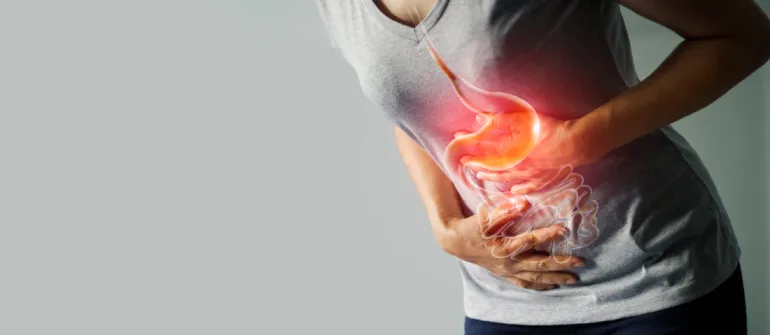
The postpartum period is a time of healing, adjustment and recovery. While much attention is given to newborn care, many mothers quietly struggle with issues rarely discussed openly—one of them being postpartum constipation.
Difficulty passing stools after childbirth is more common than many realize. Whether after a normal vaginal delivery or cesarean birth, bowel irregularity can cause discomfort, fear and frustration during an already demanding phase.
Ayurveda understands this condition through the lens of Vata aggravation, weakened digestion and disturbed Apana Vata, and offers gentle supportive approaches for restoring bowel comfort naturally.
Why Constipation Happens After Childbirth
Postpartum constipation can happen even after a smooth delivery. Several physical and emotional changes contribute to it.
1. Vata Aggravation After Delivery
According to Ayurveda, childbirth increases Vata Dosha, especially Apana Vata, which governs elimination, pelvic functions and downward movement.
When Vata becomes aggravated due to dryness, exhaustion and depletion, it may lead to:
- Hard stools
- Dryness in the colon
- Difficulty passing stools
- Gas and bloating
- Irregular bowel movement
2. Fear of Passing Stool After Delivery
After vaginal birth, episiotomy stitches or perineal soreness can create fear of straining during bowel movement.
After cesarean delivery, abdominal discomfort may cause mothers to avoid pushing.
This hesitation can worsen constipation.
3. Poor Hydration
Many mothers unintentionally reduce water intake due to myths such as drinking more water may affect breast milk.
In reality, inadequate hydration can contribute to:
- Hard stool
- Sluggish bowels
- Increased dryness
- Digestive sluggishness
4. Reduced Movement
Prolonged rest, cultural confinement practices or reduced activity can slow natural bowel motility.
Gentle movement often supports healthy elimination.
5. Sleep Deprivation and Stress
New motherhood often brings sleep disruption and emotional stress.
Stress may disturb gut rhythm and contribute to constipation through altered bowel function.
6. Iron Supplements and Pain Medicines
Postnatal iron supplements and some pain medicines may commonly contribute to constipation.
Common Symptoms of Postpartum Constipation
Symptoms may include:
- Infrequent bowel movements
- Hard or dry stool
- Straining while passing stool
- Bloating
- Gas
- Abdominal heaviness
- Feeling of incomplete evacuation
- Fear associated with bowel movements
If ignored, persistent constipation may contribute to piles, fissures and greater postpartum discomfort.
Ayurvedic View of Postpartum Constipation
Ayurveda links postpartum constipation mainly with:
- Aggravated Vata Dosha
- Disturbed Apana Vata
- Dryness in the body
- Weak digestive fire (Mandagni)
- Depletion after childbirth
Hence management focuses on:
- Lubrication
- Hydration
- Vata pacification
- Digestive support
- Gentle bowel regulation
Gentle Natural Remedies for Postpartum Constipation
Fiber-Rich Vegetable Intake
Including around 250 grams of vegetables in meals may support natural bowel regularity.
Traditionally preferred include:
- Cooked vegetables
- Light sautéed vegetables
- Leafy greens
- Fiber-rich seasonal produce
These support:
- Stool softness
- Gut microbiome
- Digestive function
Ghee for Vata and Bowel Lubrication
Ayurveda highly values Ghrita (Ghee) for balancing Vata and supporting healthy elimination.
Taking around two tablespoons with meals, when suitable, may traditionally help:
- Lubricate intestines
- Support bowel softness
- Nourish tissues
- Pacify dryness
Ghee is also deeply valued in postpartum nourishment.
Adequate Water Intake
Hydration is essential.
Warm water or infused water with traditional digestive herbs such as:
- Cumin
- Ajwain
may support digestion and bowel movement.
Adequate fluids may support both nursing mothers and healthy elimination.
Gentle Walking After Meals
Walking for 10–15 minutes after meals may support:
- Digestion
- Peristalsis
- Reduced bloating
- Better bowel movement
Even gentle indoor walking can help.
Simple Morning Stretching
Mild postpartum-appropriate stretches may encourage movement and digestive activation.
Even chair or bed-based gentle stretching may be supportive.
Soaked Raisin Water
Traditional remedy:
- Soak 6–8 raisins overnight
- Crush and drink with the soaking water next morning
Traditionally used for gentle bowel support.
(Should be individualized, especially where blood sugar concerns exist.)
Castor Oil Belly Pad
Traditional external application using warm castor oil over navel region is sometimes used to support Apana Vata.
This should be avoided in cases such as:
- Recent C-section wounds
- Surgical healing concerns
Professional guidance is advisable.
Sukumara Ghrita
One of the important classical Ayurvedic preparations traditionally referenced for Vata disorders, women’s wellness and constipation support is Sukumara Ghrita.
It is traditionally used to:
- Support bowel regularity
- Pacify Vata
- Support postpartum recovery
Should only be taken under practitioner guidance.
Vasti for Postpartum Constipation
Ayurveda considers Vasti among important therapies for Vata disorders.
Traditional references mention Sneha Basti (unctuous enemas) as supportive in postpartum constipation.
Classically referenced substances may include:
- Dhanwantaram Taila
- Ksheerabala Taila
- Sukumara Ghritam
These therapies should only be done under qualified Ayurvedic supervision.
Importance of Prasoothika Charya
Ayurveda emphasizes Prasoothika Charya or postpartum regimen as essential for restoring maternal health.
This includes:
- Warm nourishing food
- Digestive support
- Oil therapies
- Proper rest
- Vata pacification
- Gentle recovery routines
Proper postpartum care may help reduce issues like constipation naturally.
Role of Postpartum Massage in Recovery
Traditional postpartum body therapies may support overall recovery and Vata balance.
Benefits traditionally associated include:
- Relaxation
- Better circulation
- Vata pacification
- Supportive postpartum rejuvenation
- Improved comfort during recovery
Women seeking traditional support may explore professional postpartum massage services at home as part of holistic postnatal wellness support.
Myths That May Worsen Constipation
Some common misconceptions may interfere with recovery.
Myth: Drinking More Water Affects Breast Milk
Hydration supports the mother and does not dilute breast milk.
Myth: Vegetables Harm the Baby
Balanced vegetables are important for maternal nutrition and bowel health.
Myth: New Mothers Should Avoid Movement
Appropriate gentle movement often supports healing and digestion.
When to Seek Professional Advice
Consult a healthcare professional if constipation is:
- Persistent
- Painful
- Associated with bleeding
- Causing severe abdominal discomfort
- Accompanied by hemorrhoids or fissures
Early support can prevent complications.
Holistic Postpartum Care Matters
Motherhood often shifts all focus to the newborn, but maternal recovery deserves equal attention.
Ignoring constipation may affect:
- Energy
- Comfort
- Digestion
- Mood
- Overall postpartum recovery
Supporting the mother supports the baby too.
Final Thoughts
Postpartum constipation is common, but it should not be dismissed as something to simply endure.
Ayurveda offers gentle, practical support through Vata balancing, dietary nourishment, ghee, hydration, Sukumara Ghrita, Vasti therapies and Prasoothika Charya principles.
Simple measures such as fiber-rich foods, proper hydration, movement and individualized Ayurvedic support can make a meaningful difference.
The postpartum phase is a time for healing, not silent suffering. With proper care, guidance and nourishment, bowel comfort and overall recovery can be supported naturally.
Disclaimer: This article is for educational purposes only and does not replace professional medical advice. Always consult a qualified healthcare provider or Ayurvedic physician before starting remedies or therapies during the postpartum period.