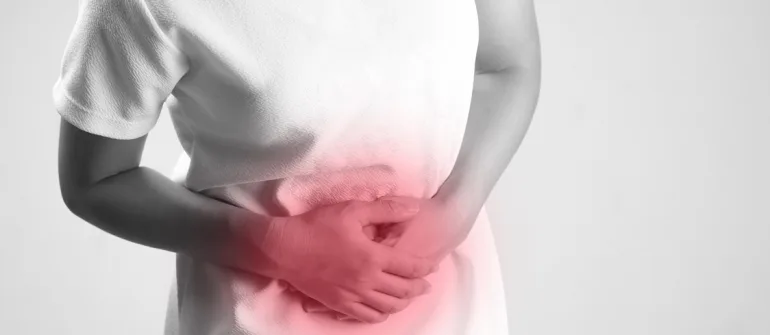
After childbirth, a woman’s body goes through significant recovery and restoration. During this delicate phase, some mothers may experience cramping, abdominal discomfort and uterine pain commonly called postpartum afterpains. In Ayurveda, this condition is described as Makkalla Shula, a specific disorder occurring during puerperium.
These pains may be mild in some women and intense in others, especially in the first few days after delivery. Ayurveda explains postpartum recovery in great detail and offers holistic approaches to support comfort, balance and healing.
What is Makkalla Shula in Ayurveda?
Makkalla Shula refers to pain occurring after childbirth in the mother, particularly involving the uterus, lower abdomen and pelvic region.
According to Ayurveda, childbirth causes significant depletion in the body and aggravation of Vata Dosha. If Avishodhita Rakta (retained or uneliminated blood) combines with aggravated Vata and becomes localized in the uterus, pain and discomfort may develop.
This disturbed Vata along with retained blood can obstruct normal postpartum recovery and contribute to postpartum afterpains.
Causes of Postpartum Afterpains According to Ayurveda
Ayurveda attributes Makkalla Shula to multiple factors involving Vata imbalance, retained blood and dryness in the body.
1. Vata Aggravation After Delivery
After childbirth, Vata naturally increases due to:
- Loss of fluids
- Tissue depletion
- Emptying of the uterus
- Physical exertion during labor
This aggravated Vata can trigger pain, spasms and discomfort.
2. Avishodhita Rakta (Retained Blood)
Improper elimination of lochia or retained blood may contribute to pain and heaviness in the pelvic region.
3. Excess Dryness in the Body
Ayurveda notes that excessive dryness can worsen Vata and intensify postpartum discomfort.
4. Improper Postpartum Care
Neglecting proper Prasoothika Charya (postpartum regimen) may increase risk of pain, weakness and slower recovery.
Symptoms of Makkalla Shula
Ayurvedic texts describe several symptoms associated with postpartum afterpains.
Granthi
A gland-like swelling or palpable fullness may be felt below the umbilical region, flanks or hypogastric region.
Shula (Pain)
Severe pain may be felt in:
- Lower abdomen
- Umbilical region
- Bladder region
- Pelvic area
Pakvashaya Shula
Pain may feel deep, piercing or cramp-like, described classically as if needles are pricking or the bowel is being strained.
Adhmana
Flatulence and abdominal bloating may accompany the pain.
Mutra Sanga
Some women may experience urinary discomfort or retention.
Ayurvedic Understanding of Management
Ayurvedic management of Makkalla Shula focuses on:
- Vata pacification
- Supporting healthy elimination
- Reducing pain and spasms
- Restoring postpartum balance
- Supporting uterine recovery
Classical management often includes herbal decoctions, powders, medicated ghee preparations and supportive postpartum therapies.
Classical Ayurvedic Formulations Mentioned for Makkalla Shula
Viratarvadi Gana Siddha Kwatha
A decoction prepared with Viratarvadi Gana herbs, traditionally combined with Ushakadi group herbs and administered with ghee, lukewarm water or salt.
Yavakshara
Alkali prepared from barley whole plant, traditionally used with Pippalyadi decoction, ghee or warm water.
Pippalyadi Gana Churna
Powder of the Pippalyadi herb group traditionally used in classical management of Vata-related abdominal discomfort.
Varunadi Kashayam
A decoction prepared from Varunadi group herbs, often combined with Panchakola Churna and cardamom.
Prthakparnyadi Kwatha
Classical decoction prepared with Prshnaparnyadi herbs along with Devadaru (Cedrus deodara) and black pepper.
Trikatu Churna
Combination of:
- Piper longum
- Piper nigrum
- Zingiber officinale
Traditionally used with coriander and old jaggery.
Vatsakadi Gana Siddha Kashayam
Prepared from Vatsakadi group herbs and traditionally used with salt.
Amshumati Dwaya Kwatha
A classical decoction using:
- Shalaparni (Desmodium gangeticum)
- Prshniparni (Uraria picta)
Often combined traditionally with black pepper and Devadaru.
Bharangyadi Kalka
Paste prepared from:
- Bharangi (Clerodendrum serratum)
- Ginger
- Devadaru (Cedrus deodara)
Traditionally served with warm water.
Pippalyadi Gana Kashaya
Mentioned in Ayurveda for afterpains, Vata-Kapha disorders and abdominal discomfort.
Boladi Vati
Classical formulation prepared with:
- Bola (Commiphora myrrha)
- Ghee
- Jaggery
Traditionally referenced for puerperal afterpains.
Hingu-Ghrita
Hingu (Asafetida) with ghee is classically mentioned for supporting relief in postpartum abdominal discomfort.
All Ayurvedic medicines should only be taken under qualified practitioner guidance and not self-prescribed.
Role of Postpartum Massage in Recovery
Ayurveda places great importance on Abhyanga and postpartum body therapies in supporting recovery after childbirth.
Traditional postpartum massage may help support:
- Vata pacification
- Muscle relaxation
- Improved circulation
- Comfort during recovery
- Better postpartum nourishment
- Support for overall rejuvenation
Women seeking guided traditional support can explore professional postpartum massage near me services as part of holistic post-delivery care.
Importance of Prasoothika Charya
Ayurveda emphasizes Prasoothika Charya, the specialized postpartum regimen, for protecting the mother after childbirth.
It includes:
- Warm nourishing foods
- Vata-pacifying diet
- Herbal support
- Oil therapies
- Adequate rest
- Gentle body care
- Digestive support
- Gradual restoration of strength
This regimen is considered essential in preventing complications and supporting recovery.
Dietary Support for Postpartum Vata Balance
Postpartum nutrition is especially important in reducing Vata aggravation.
Traditionally preferred foods include:
- Warm freshly cooked meals
- Light nourishing gruels
- Medicated ghee when advised
- Digestive spices in suitable amounts
- Easily digestible foods
Foods generally minimized include:
- Cold foods
- Dry foods
- Heavy-to-digest meals
- Excess raw foods
- Vata-aggravating dietary habits
When Postpartum Pain Needs Attention
While mild uterine cramping can be common postpartum, severe or persistent pain should not be ignored.
Professional evaluation may be important when pain is accompanied by:
- Fever
- Heavy bleeding
- Severe abdominal tenderness
- Difficulty passing urine
- Excessive weakness
- Unusual postpartum symptoms
Proper assessment helps determine the cause and suitable support.
Ayurvedic Perspective on Holistic Recovery
Ayurveda views postpartum recovery as more than symptom management. It is a sacred restoration phase requiring nourishment, protection and balance.
Management of Makkalla Shula focuses not just on relieving pain but on:
- Correcting Vata imbalance
- Supporting healthy elimination
- Restoring strength
- Protecting reproductive health
- Supporting long-term maternal wellness
Final Thoughts
Makkalla Shula (Postpartum Afterpains) is a classical Ayurvedic condition involving pain after childbirth, often linked to aggravated Vata and retained blood.
Symptoms such as Granthi, Shula, Pakvashaya Shula, Adhmana and Mutra Sanga are described in Ayurveda, along with numerous classical formulations including Viratarvadi Gana Siddha Kwatha, Yavakshara, Pippalyadi Gana Churna, Varunadi Kashayam, Trikatu Churna, Bharangyadi Kalka, Boladi Vati and Hingu-Ghrita.
Along with these classical references, Prasoothika Charya, Vata-pacifying diet, restorative therapies and postpartum massage remain central to Ayurvedic postpartum support.
With proper care, nourishment and guided Ayurvedic support, the postpartum period can become a time of healing, strength and rejuvenation.