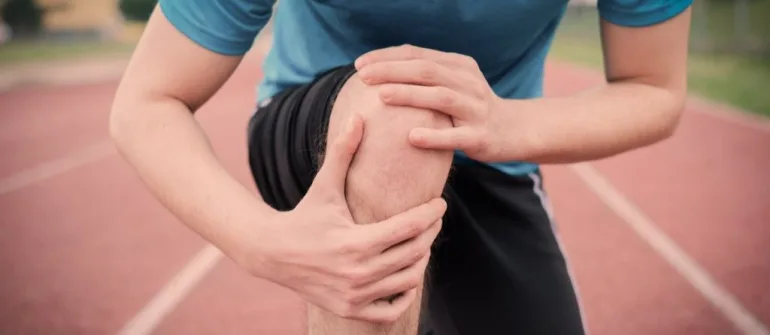
Knee instability is a common condition where the knee feels weak, wobbly, or gives way while standing, walking, or bearing weight. It usually occurs due to damage or weakness in the ligaments that support the knee joint. Many people experience a sudden “buckling” sensation, especially after injury or long-term joint problems.
Understanding the causes, symptoms, and Ayurvedic approach to knee instability can help in early diagnosis and effective treatment, especially with natural therapies at home.
Understanding Knee Joint Anatomy
The knee is the largest and one of the most important joints in the body. It connects the femur (thigh bone) to the tibia (shin bone) and includes the patella (kneecap).
It is a synovial hinge joint, allowing movements like bending and straightening. The joint is supported by:
- Cartilage (hyaline cartilage and meniscus) – provides cushioning
- Ligaments – provide stability
- Anterior Cruciate Ligament (ACL)
- Posterior Cruciate Ligament (PCL)
- Medial Collateral Ligament (MCL)
- Lateral Collateral Ligament (LCL)
- Muscles – quadriceps, hamstrings, gastrocnemius
- Synovial fluid – lubricates the joint
These structures work together to maintain knee stability and smooth movement.
What is Knee Instability?
Knee instability occurs when these supporting structures fail to hold the joint firmly. This leads to:
- Knee giving way while walking
- Difficulty bearing weight
- Loss of balance
The most common cause is ligament injury, especially ACL tears, but it can also occur due to degeneration, weakness, or improper joint alignment.
Causes of Knee Instability
1. Ligament Injuries
Damage to ACL, PCL, MCL, or LCL is the primary cause. These injuries occur due to:
- Sudden twisting or pivoting movements
- Direct impact (sports injuries, accidents)
- Overstretching of ligaments
2. Lifestyle Activities
High-impact activities like:
- Jumping
- Running
- Sudden stops
- Improper exercise techniques
can lead to ligament tears or joint strain.
3. Knee Osteoarthritis
In elderly individuals, cartilage degeneration leads to:
- Joint pain
- Reduced cushioning
- Weak support
This increases instability over time.
4. Patellar Instability
The kneecap (patella) may shift out of its position:
- Subluxation (partial displacement)
- Dislocation (complete displacement)
5. Other Causes
- Meniscus tear
- Gouty arthritis
- Bursitis
- Joint infections
- Muscle weakness
Types of Knee Instability
Based on Severity
- Simple instability – single structure affected
- Complex instability – multiple ligaments or structures involved
- Chronic instability – long-standing condition
Based on Location
- Anterior instability – ACL injury
- Posterior instability – PCL injury
- Medial instability – MCL involvement
- Lateral instability – LCL damage
Signs and Symptoms
Common symptoms include:
- Sudden “popping” sound during injury
- Severe pain
- Swelling within 24 hours
- Knee giving way or buckling
- Difficulty standing or walking
- Feeling of looseness in the joint
Early diagnosis is important to prevent long-term complications.
Diagnosis
Doctors may recommend:
- X-ray – to check bone alignment
- MRI scan – to detect ligament tears
- Ultrasound – for soft tissue assessment
- CT scan – for detailed imaging
- Joint aspiration – to check inflammation or infection
Treatment & Management
Non-Surgical Treatment
Most cases can be managed without surgery using:
RICE Method
- Rest – avoid strain
- Ice – reduce pain and swelling
- Compression – support joint
- Elevation – improve circulation
Supportive Care
- Knee braces
- Physiotherapy
- Strength training
Medications
- NSAIDs (like aspirin, ibuprofen)
- Corticosteroid injections
- Hyaluronic acid injections
Surgical Options (Severe Cases)
- MPFL repair or reconstruction
- Knee osteotomy
- Knee replacement surgery
Prevention of Knee Instability
General Measures
- Maintain healthy weight
- Follow balanced diet
- Avoid overstrain
- Use protective gear
Specific Training Methods
- Balance Training
- Single-leg standing
- Walking lunges
- Plyometric Training
- Controlled jumping exercises
- Soft landing techniques
- Strength Training
- Squats
- Lunges
- Resistance exercises
These help strengthen muscles supporting the knee joint.
Ayurvedic Perspective: Janu Vishlesha
In Ayurveda, knee instability is described as Janu Vishlesha, one among Vata Nanatmaja Rogas (diseases caused mainly by Vata Dosha).
Key Causes in Ayurveda
- Vata aggravation – leads to dryness and weakness
- Kapha depletion – reduces joint lubrication
- Damage to:
- Snayu (ligaments)
- Sandhi (joints)
Other contributing factors include:
- Injury
- Excessive exercise
- Osteoarthritis (Sandhigata Vata)
- Rheumatoid arthritis (Amavata)
- Vatarakta (gout)
Ayurvedic Treatment Approach
Treatment focuses on:
- Balancing Vata and Kapha
- Nourishing joints
- Improving lubrication
- Strengthening ligaments and muscles
Ayurvedic Therapies for Knee Instability
Some effective therapies include:
- Abhyanga (Oil Massage) – improves circulation and strength
- Swedana (Fomentation) – reduces stiffness
- Kizhi (Poultice Therapy) – relieves pain and inflammation
- Pizhichil / Dhara therapies – improve joint mobility
These therapies help:
- Reduce stiffness and pain
- Improve flexibility
- Strengthen joint stability
- Prevent further degeneration
Ayurvedic Treatment at Home for Knee Instability
At Ayursh, we provide personalized at-home therapies for muscle stiffness and joint instability, making treatment easy and effective without hospital visits.
Our services include:
- Doctor consultation and assessment
- Customized Ayurvedic oils (Taila)
- Therapies like Abhyanga and Swedana
- Certified therapists at your home
- Complete therapy kit and herbal medicines
This approach is especially beneficial for:
- Elderly patients
- Chronic knee pain sufferers
- Patients with mobility issues
With regular therapy, patients experience:
- Reduced knee pain and stiffness
- Better joint stability
- Improved walking and movement
Final Summary
Knee instability is a condition that affects mobility, balance, and overall quality of life. It commonly results from ligament injuries, osteoarthritis, or muscle weakness.
Early diagnosis and proper treatment are essential to prevent long-term complications. While modern treatments focus on symptom control, Ayurveda addresses the root cause by balancing Vata, nourishing joints, and restoring stability.
With the right combination of therapies, lifestyle changes, and at-home Ayurvedic care, knee instability can be effectively managed helping you regain confidence in movement and live pain-free.