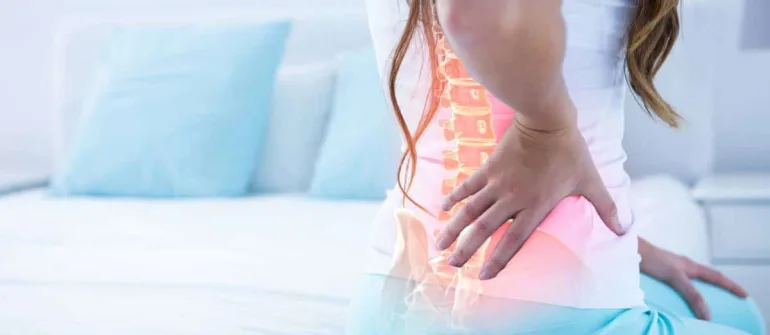
Sciatica is not just back pain. Many people feel pain starting from the lower back and slowly moving down through the hip, thigh, and even to the foot. This traveling pain can feel sharp, burning, or like electric shock.
But why does this happen? Why sciatica pain spreads down the leg instead of staying in one place? Ayurveda has a clear explanation for this condition and offers natural solutions for long-term relief.
Let’s understand the root cause and how Ayurveda approaches sciatica healing.
What Is Sciatica?
Sciatica happens when the sciatic nerve becomes irritated or compressed. The sciatic nerve is the longest nerve in the body. It starts in the lower back and runs through the hips, buttocks, and down each leg.
When this nerve is affected, pain does not stay only in the back. It follows the path of the nerve. That is why sciatica pain travels down the leg.
Why Sciatica Pain Spreads
Many people wonder why sciatica pain spreads instead of staying in one area.
Here are the common reasons:
Nerve Compression
If a disc bulges or muscles tighten around the lower spine, pressure builds on the sciatic nerve. Since the nerve runs down the leg, pain radiates along its path.
Inflammation Around the Nerve
Swelling or inflammation near the nerve can cause:
- Shooting pain
- Tingling sensation
- Numbness
- Weakness in the leg
This explains why sciatica pain spreads gradually.
Muscle Tightness
Tight lower back or hip muscles can press on the nerve. Long sitting hours and poor posture make this worse.
Ayurvedic View of Sciatica
In Ayurveda, sciatica is linked to aggravated Vata dosha. This condition is often referred to as “Gridhrasi.”
Vata controls movement and nerve function in the body. When Vata becomes imbalanced due to:
- Irregular routine
- Excess sitting
- Stress
- Cold exposure
It leads to dryness, stiffness, and nerve irritation.
This is the Ayurvedic explanation behind nerve pain Ayurveda describes.
How Ayurveda Explains Traveling Pain
According to Ayurveda, Vata moves throughout the body. When Vata becomes aggravated in the lower back region, it disturbs the nerve pathways.
Because Vata governs movement, pain also “moves” along the nerve channel. That is why sciatica pain travels from the lower back to the leg.
This movement of pain is a key sign of Vata imbalance.
Why Painkillers Don’t Solve Sciatica Fully
Many people depend on:
- Pain relief tablets
- Muscle relaxants
- Temporary injections
These may reduce symptoms but:
- Do not balance Vata
- Do not nourish the nerves
- Do not correct the root cause
That is why pain often returns.
How Ayurveda Treats Sciatica Naturally
Ayurveda focuses on calming Vata, reducing inflammation, and strengthening the affected area.
1. Herbal Oil Therapies
Warm medicated oils are applied to:
- Lower back
- Hips
- Legs
These oils:
- Reduce dryness
- Improve circulation
- Relax tight muscles
- Nourish nerve tissues
This helps control nerve pain naturally.
2. Patra Pinda Sweda (Herbal Bolus Therapy)
This therapy uses warm herbal leaves tied in a bolus and applied with gentle pressure.
Benefits include:
- Reduced stiffness
- Improved flexibility
- Better blood flow
- Relief from nerve compression
It is commonly used in chronic sciatica care.
3. Kati Basti Therapy
In this therapy, warm medicated oil is retained on the lower back for a specific time.
This helps:
- Deeply nourish spinal tissues
- Reduce nerve pressure
- Calm aggravated Vata
It supports long-term recovery.
4. Detox and Vata Balancing
Ayurvedic detox therapies help remove toxins and improve digestion. Since weak digestion can worsen Vata imbalance, detox plays an important role in healing.
This is why Ayurveda Treatment for Sciatica Pain focuses on root-cause correction rather than temporary relief.
Why At-Home Sciatica Care Works Well
Sciatica pain can make travel difficult. Long sitting during hospital visits may worsen discomfort.
That is why many people now prefer receiving Ayurvedic therapies at home. A relaxed environment supports better healing and reduces additional strain on the spine.
Doorstep Ayurvedic care for sciatica is becoming increasingly common in cities like Bangalore, Mumbai, Delhi, Hyderabad, and Chennai, where people are looking for non-surgical and natural recovery options.
Trusted providers like Ayursh offer structured and professional Ayurvedic therapies at home with trained therapists who understand nerve-related conditions.
Who Should Consider Ayurvedic Sciatica Care?
This approach is helpful for:
- People with radiating leg pain
- Individuals with lower back stiffness
- Sedentary professionals
- Elderly patients with nerve pain
- Those looking to avoid surgery
Early care improves recovery speed.
Conclusion
Sciatica pain travels down the leg because the sciatic nerve runs from the lower back to the feet. When this nerve becomes irritated or compressed, pain follows its pathway.
Ayurveda explains this as aggravated Vata affecting the nerve channels. By calming Vata, nourishing tissues, and reducing inflammation, it offers a natural and long-term healing approach.
Instead of masking symptoms, Ayurveda works on the root cause. With proper therapy and consistency, sciatica pain can be managed safely and effectively, especially with structured at-home care.