Ayurvedic Treatment for Knee Pain Archives | Ayursh

Why Knee Pain Gets Worse at Home and How Ayurveda Fixes the Root Cause

Why Knee Pain Gets Worse at Home and How Ayurveda Fixes the Root Cause

Why Knee Pain Gets Worse at Home and How Ayurveda Fixes the Root Cause

Many people assume resting at home helps reduce pain. But in reality, knee pain often gets worse at home. Whether you are working from home, resting more than usual, or avoiding movement due to discomfort, stiffness and pain can gradually increase.

Instead of relying only on temporary fixes, Ayurveda focuses on understanding why knee pain increases and treating the root cause naturally. Let’s explore how Ayurvedic treatment for knee pain provides long-term relief.

Why Knee Pain Increases at Home

Knee pain worsening at home is very common today, especially due to modern lifestyle habits.

1. Reduced Physical Movement

Staying indoors often means less walking and activity. When joints don’t move enough:

  • Lubrication reduces
  • Muscles weaken
  • Stiffness increases

Over time, even simple movements become painful.

2. Improper Sitting Habits

Working on sofas, beds, or low chairs puts extra strain on knee joints. Poor posture can lead to:

  • Joint stress
  • Ligament strain
  • Chronic knee discomfort

This is one of the major reasons why knee pain increases without injury.

3. Sedentary Weight Gain

A less active routine may lead to gradual weight gain. Extra weight increases pressure on the knees, causing:

  • Faster cartilage wear
  • Joint inflammation
  • Reduced flexibility

This makes knee pain more noticeable over time.

4. Ignoring Early Symptoms

At home, people often delay treatment for mild stiffness or discomfort. Without early care:

  • Minor pain becomes chronic
  • Swelling increases
  • Joint mobility reduces

Early intervention is key to preventing long-term damage.

Ayurvedic View: Root Cause of Knee Pain

Ayurveda focuses on identifying the internal cause rather than just suppressing pain.

Vata Imbalance

Most joint pains are linked to aggravated Vata dosha. This leads to:

  • Dryness in joints
  • Cracking sounds
  • Stiffness
  • Pain during movement

Factors like stress, aging, cold exposure, and irregular routines increase Vata imbalance.

Ama (Toxin Build-Up)

Another important reason is Ama, or metabolic toxins formed due to poor digestion.

Ama causes:

  • Heaviness in joints
  • Swelling
  • Inflammation
  • Morning stiffness

Removing Ama is essential for long-term healing.

Why Temporary Treatments Don’t Work

Many people depend on:

  • Pain relief gels
  • Hot packs
  • Tablets

These methods may provide short-term comfort but:

  • Do not remove toxins
  • Do not balance doshas
  • Do not repair joint tissues

That’s why pain keeps returning.

How Ayurveda Fixes Knee Pain Naturally

Ayurveda treats knee pain through detox, nourishment, and strengthening therapies.

1. Herbal Oil Therapies

Warm medicated oils help:

  • Lubricate joints
  • Reduce dryness
  • Improve flexibility

These oils penetrate deep into tissues and calm aggravated Vata.

2. Swedana (Heat Therapies)

Therapies like Patra Pinda Sweda and Jambeera Pinda Sweda use herbal heat to:

  • Reduce stiffness
  • Improve circulation
  • Ease inflammation

They are highly effective for chronic knee pain.

3. Janu Basti Therapy

Janu Basti is a classical Ayurvedic therapy where warm medicated oil is retained over the knee joint.

Key benefits include:

  • Deep joint nourishment
  • Cartilage support
  • Pain reduction
  • Better mobility

It is considered one of the most effective natural knee pain solutions.

4. Detox and Ama Removal

Ayurvedic therapies also focus on removing toxins through:

  • Panchakarma-inspired treatments
  • Herbal oils
  • Therapeutic heat

This helps restore natural joint function.

Benefits of Ayurvedic Treatment for Knee Pain

Choosing Ayurveda offers long-term advantages:

  • Addresses the root cause
  • Improves flexibility
  • Supports cartilage health
  • Reduces dependency on painkillers
  • Safe for long-term use

It focuses on sustainable healing instead of temporary relief.

Why At-Home Ayurvedic Treatment Works Better

Many people now prefer Ayurvedic treatment for knee pain at home because it offers both comfort and consistency.

At-home therapies eliminate travel stress and allow the body to stay relaxed during treatment. Regular sessions are easier to maintain, which improves healing outcomes. This approach is especially helpful for elderly individuals, chronic pain patients, and busy professionals who find clinic visits difficult.

Today, doorstep Ayurvedic knee care is becoming increasingly popular in metro cities like Bangalore, Mumbai, Delhi, Hyderabad, and Chennai, where people are actively looking for natural and non-surgical pain management options.

Who Should Consider Ayurvedic Knee Pain Care?

This approach is ideal for:

  • People with chronic knee pain
  • Early arthritis patients
  • Elderly individuals
  • Post-injury stiffness
  • Sedentary professionals

Even mild knee discomfort can benefit from early Ayurvedic care.

Conclusion

Knee pain getting worse at home is more common than many people realize. Lack of movement, poor posture, and toxin accumulation silently affect joint health over time.

Instead of masking symptoms, Ayurveda works by addressing the root cause. By balancing doshas, removing toxins, and nourishing joints, it offers a safe and natural path to recovery.

If you are looking for a long-term, natural solution, Ayurvedic treatment for knee pain provides effective and holistic relief . especially when done consistently in a comfortable home setting.

Disc Bulge in The Spine? Here’s How Ayurveda Can Help

Disc Bulge in The Spine? Here’s How Ayurveda Can Help

A disc bulge, often referred to as a slipped or herniated disc, is a common spinal condition that causes pain, stiffness, and limited mobility. Conventional treatments typically involve painkillers, physical therapy, or even surgery—but these may not always offer long-term relief. Fortunately, Ayurveda provides a holistic and non-invasive approach to treating disc bulges that focuses on healing the root cause rather than just suppressing symptoms.

If you’re searching for disc bulge treatment in Ayurveda, especially Panchakarma treatments at home in Bangalore, this article will guide you through how ancient Ayurvedic therapies can help manage and even reverse disc-related disorders.

What Is A Disc Bulge?

Your spine is made up of vertebrae cushioned by soft, jelly-like discs. When one of these discs bulges out of its natural alignment—often due to wear and tear, poor posture, or injury—it can press on nearby nerves, causing:

  • Lower back pain
  • Sciatica (pain radiating down the leg)
  • Numbness or tingling
  • Muscle weakness
  • Restricted movement

Left untreated, it can significantly affect quality of life and mobility.

Why Choose Ayurveda For a Disc Bulge?

Ayurveda views spinal disorders not just as physical issues, but as imbalances in the body’s energy systems (Doshas: Vata, Pitta, and Kapha). A disc bulge is considered a Vata disorder, as Vata governs movement and nerve impulses in the body. When Vata is aggravated, it causes dryness, degeneration, and misalignment in the spine.

Benefits of Ayurvedic Treatment For Disc Bulge:

  • Non-surgical and drug-free
  • Treats root cause (Vata imbalance)
  • Relieves pain and inflammation
  • Improves spinal strength and flexibility
  • Reduces recurrence risk

Panchakarma: The Core Ayurvedic Therapy For Spinal Health

The cornerstone of Ayurvedic treatment for spinal issues is Panchakarma, a powerful detoxification and rejuvenation protocol that helps reset the body’s internal systems.

For disc bulge patients, specific Panchakarma therapies are prescribed after a thorough assessment by an Ayurvedic doctor.

Also, Read: How Ayurveda Can Transform Your Gastrointestinal Health

Key Panchakarma Therapies for Disc Bulge:

1. Abhyanga (Medicated Oil Massage)

  • Warm herbal oils are used to calm aggravated Vata and lubricate the spine.
  • Improves blood flow, reduces stiffness, and nourishes spinal tissues.

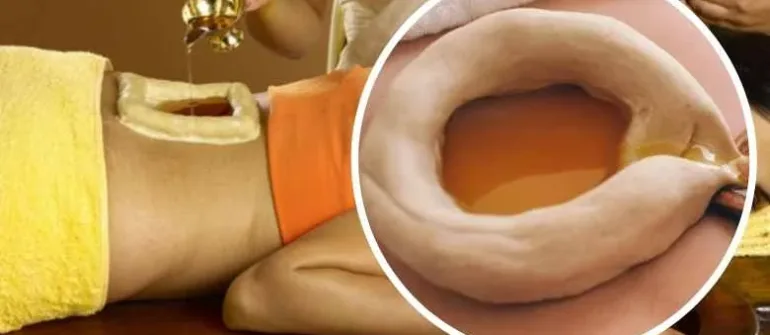
2. Kati Basti (Oil Pooling on Lower Back)

  • A dough ring is placed on the lower back and filled with warm medicated oil.
  • Helps relieve pain, inflammation, and muscle spasms around the disc area.

3. Pizhichil (Oil Pouring Therapy)

  • A stream of warm oil is poured over the entire body, followed by a gentle massage.
  • Promotes deep tissue relaxation and regeneration.

4. Basti (Medicated Enemas)

  • This is one of the most effective treatments for Vata disorders.
  • Herbal decoctions and oils are administered via enema to eliminate toxins and regulate Vata from its root in the colon.

5. Elakizhi or Potli Massage

  • Herbal leaves tied in cloth pouches are heated and used to massage affected areas.
  • Provides muscle relaxation and reduces nerve compression.

At-Home Panchakarma Treatments in Bangalore

If you’re living in Bangalore and dealing with a disc bulge, you can now experience authentic Panchakarma treatments at home through Ayurvedic platforms like Ayursh. Certified therapists visit your home, bringing traditional care and healing without the need to travel or visit a clinic.

Advantages of At-Home Therapy:

  • Personalized attention and comfort
  • Reduces stress and strain of travel
  • Ideal for elderly or immobile patients
  • Continuity of care with regular sessions

Ayursh, for example, offers experienced therapists and doctors who specialize in disc bulge treatment in Ayurveda, making it convenient and safe for patients to heal in their own space.

Diet & Lifestyle Recommendations in Ayurveda

Healing from a disc bulge doesn’t end with therapy. Ayurveda emphasizes Dinacharya (daily routine) and Ahara (diet) for sustained spinal health.

Suggested Diet:

  • Warm, cooked foods
  • Ghee, sesame oil, and other healthy fats
  • Avoid cold, dry, and processed foods
  • Herbal teas (ginger, ashwagandha, turmeric)

Lifestyle Tips:

  • Maintain a regular sleep schedule
  • Avoid prolonged sitting or poor posture
  • Gentle yoga and stretching under guidance
  • Stay hydrated with warm water

Ayurvedic Medicines For Disc Bulge

Some classical Ayurvedic formulations that may be prescribed include:

  • Yogaraja Guggulu – Reduces inflammation and strengthens bones
  • Dashamoola Kashayam – Calms Vata and reduces nerve pain
  • Ashwagandha and Bala – For strength and nerve nourishment
  • Sahacharadi Taila – Herbal oil used in massages and Basti

These are prescribed based on individual Prakriti (constitution) and should always be taken under the supervision of a qualified Ayurvedic practitioner.

Realistic Expectations: How Long Does Healing Take?

Ayurveda does not offer a “quick fix” but a sustainable and natural recovery process. Depending on the severity of the disc bulge and associated symptoms, noticeable relief can occur within a few weeks of treatment. However, full recovery may take 1 to 3 months of consistent therapy, lifestyle changes, and follow-ups.

Final Thoughts

If you’re looking for a disc bulge cure without surgery, Ayurveda offers a time-tested, natural, and effective alternative. Through personalized Panchakarma therapies, dietary guidance, and long-term lifestyle changes, patients can find lasting relief and even reversal of disc degeneration.

For those in Bangalore, Panchakarma treatments at home are now easily accessible, helping you recover in the comfort of your own environment with expert support from trusted Ayurvedic platforms like Ayursh.

Suggested: How Ayurveda Treats Joint Pain Without Side Effects

× Whatsapp Us