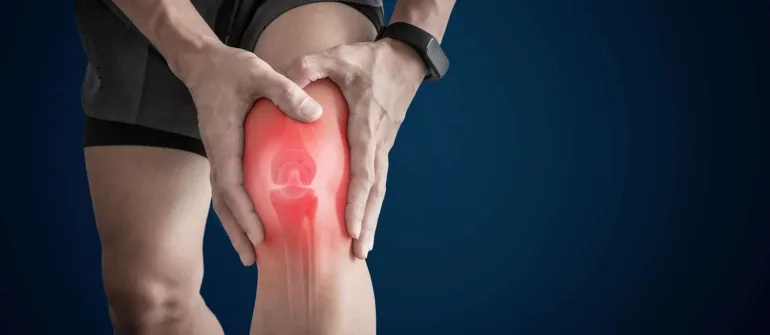
Many people assume resting at home helps reduce pain. But in reality, knee pain often gets worse at home. Whether you are working from home, resting more than usual, or avoiding movement due to discomfort, stiffness and pain can gradually increase.
Instead of relying only on temporary fixes, Ayurveda focuses on understanding why knee pain increases and treating the root cause naturally. Let’s explore how Ayurvedic treatment for knee pain provides long-term relief.
Why Knee Pain Increases at Home
Knee pain worsening at home is very common today, especially due to modern lifestyle habits.
1. Reduced Physical Movement
Staying indoors often means less walking and activity. When joints don’t move enough:
- Lubrication reduces
- Muscles weaken
- Stiffness increases
Over time, even simple movements become painful.
2. Improper Sitting Habits
Working on sofas, beds, or low chairs puts extra strain on knee joints. Poor posture can lead to:
- Joint stress
- Ligament strain
- Chronic knee discomfort
This is one of the major reasons why knee pain increases without injury.
3. Sedentary Weight Gain
A less active routine may lead to gradual weight gain. Extra weight increases pressure on the knees, causing:
- Faster cartilage wear
- Joint inflammation
- Reduced flexibility
This makes knee pain more noticeable over time.
4. Ignoring Early Symptoms
At home, people often delay treatment for mild stiffness or discomfort. Without early care:
- Minor pain becomes chronic
- Swelling increases
- Joint mobility reduces
Early intervention is key to preventing long-term damage.
Ayurvedic View: Root Cause of Knee Pain
Ayurveda focuses on identifying the internal cause rather than just suppressing pain.
Vata Imbalance
Most joint pains are linked to aggravated Vata dosha. This leads to:
- Dryness in joints
- Cracking sounds
- Stiffness
- Pain during movement
Factors like stress, aging, cold exposure, and irregular routines increase Vata imbalance.
Ama (Toxin Build-Up)
Another important reason is Ama, or metabolic toxins formed due to poor digestion.
Ama causes:
- Heaviness in joints
- Swelling
- Inflammation
- Morning stiffness
Removing Ama is essential for long-term healing.
Why Temporary Treatments Don’t Work
Many people depend on:
- Pain relief gels
- Hot packs
- Tablets
These methods may provide short-term comfort but:
- Do not remove toxins
- Do not balance doshas
- Do not repair joint tissues
That’s why pain keeps returning.
How Ayurveda Fixes Knee Pain Naturally
Ayurveda treats knee pain through detox, nourishment, and strengthening therapies.
1. Herbal Oil Therapies
Warm medicated oils help:
- Lubricate joints
- Reduce dryness
- Improve flexibility
These oils penetrate deep into tissues and calm aggravated Vata.
2. Swedana (Heat Therapies)
Therapies like Patra Pinda Sweda and Jambeera Pinda Sweda use herbal heat to:
- Reduce stiffness
- Improve circulation
- Ease inflammation
They are highly effective for chronic knee pain.
3. Janu Basti Therapy
Janu Basti is a classical Ayurvedic therapy where warm medicated oil is retained over the knee joint.
Key benefits include:
- Deep joint nourishment
- Cartilage support
- Pain reduction
- Better mobility
It is considered one of the most effective natural knee pain solutions.
4. Detox and Ama Removal
Ayurvedic therapies also focus on removing toxins through:
- Panchakarma-inspired treatments
- Herbal oils
- Therapeutic heat
This helps restore natural joint function.
Benefits of Ayurvedic Treatment for Knee Pain
Choosing Ayurveda offers long-term advantages:
- Addresses the root cause
- Improves flexibility
- Supports cartilage health
- Reduces dependency on painkillers
- Safe for long-term use
It focuses on sustainable healing instead of temporary relief.
Why At-Home Ayurvedic Treatment Works Better
Many people now prefer Ayurvedic treatment for knee pain at home because it offers both comfort and consistency.
At-home therapies eliminate travel stress and allow the body to stay relaxed during treatment. Regular sessions are easier to maintain, which improves healing outcomes. This approach is especially helpful for elderly individuals, chronic pain patients, and busy professionals who find clinic visits difficult.
Today, doorstep Ayurvedic knee care is becoming increasingly popular in metro cities like Bangalore, Mumbai, Delhi, Hyderabad, and Chennai, where people are actively looking for natural and non-surgical pain management options.
Who Should Consider Ayurvedic Knee Pain Care?
This approach is ideal for:
- People with chronic knee pain
- Early arthritis patients
- Elderly individuals
- Post-injury stiffness
- Sedentary professionals
Even mild knee discomfort can benefit from early Ayurvedic care.
Conclusion
Knee pain getting worse at home is more common than many people realize. Lack of movement, poor posture, and toxin accumulation silently affect joint health over time.
Instead of masking symptoms, Ayurveda works by addressing the root cause. By balancing doshas, removing toxins, and nourishing joints, it offers a safe and natural path to recovery.
If you are looking for a long-term, natural solution, Ayurvedic treatment for knee pain provides effective and holistic relief . especially when done consistently in a comfortable home setting.