Paralysis changes daily life overnight — a limb that won’t respond, a face that droops, speech that slurs. Modern medicine addresses the emergency; the slower, patient work of restoring movement and strength is where Ayurveda has a great deal to offer. And because recovery depends on daily, consistent therapy, more families are now choosing Ayurvedic treatment for paralysis at home rather than repeated clinic visits.
This guide explains how Ayurveda understands paralysis, which therapies are used, the herbs and formulations involved, and what a realistic home-based recovery looks like.
What Is Paralysis?
Paralysis is the loss of voluntary muscle function caused by a disruption in the nervous system — most often from stroke, spinal cord injury or nerve damage. It can be partial or complete, temporary or long-standing, and can affect one limb, one side, or the whole body. Alongside loss of movement, patients frequently experience numbness, stiffness, muscle wasting and, in facial cases, difficulty speaking or closing the eye.
Why Ayurveda Classifies Paralysis as a Vata Vyadhi
In Ayurveda, every movement, reflex and sensation is driven by Vata dosha. Since paralysis is fundamentally a breakdown of movement and nerve signalling, it is classified as a Vata Vyadhi — a disorder of severely aggravated Vata. Two Vata subtypes are central: Udana Vata, which governs speech, effort, energy and strength (explaining the weak voice and fatigue after a stroke), and Prana Vata, which governs the brain and senses.
Classical texts describe conditions that align closely with modern paralysis:
- Pakshaghata (Pakshavadha): loss of movement and sensation on one side of the body, comparable to post-stroke hemiplegia.
- Ekanga Vata: paralysis confined to a single limb or part, similar to monoplegia.
- Ardita: paralysis of the face — deviation of one side, drooping and speech obstruction — comparable to facial paralysis and Bell’s palsy.
What Causes It — The Ayurvedic View
Ayurveda traces paralysis to two underlying mechanisms:
- Dhatu kshaya — genuine depletion of body tissues, which tends to indicate a deeper, slower-recovering condition.
- Avarana — obstruction or blocking of Vata’s normal pathways, which often responds more readily to treatment.
Identifying which mechanism dominates is the first job of an Ayurvedic physician, because it shapes the entire treatment plan.
The symptoms also make sense through this lens. Loss of touch and numbness relate to Sparshanendriya, the sense organ of touch, which is a seat of Vata. Muscle wasting relates to the loss of Sama mamsa pramana — the healthy, balanced proportion of muscle tissue — as aggravated Vata erodes muscle. This is why good paralysis care must both calm Vata and rebuild tissue, not just one or the other.
Can Paralysis Be Treated at Home?
For many patients, yes — supportive therapy can be delivered safely at home under a doctor’s plan. Home care removes the daily strain of travel for someone with limited mobility, keeps therapy consistent, and lets caregivers stay closely involved. Serious or acute cases still need hospital care first; Ayurvedic home therapy is best suited to the recovery and rehabilitation phase.
Core Ayurvedic Therapies for Paralysis
Treatment blends external (massage-based) therapies with internal cleansing and nourishing procedures.
Oleation, Sudation and Massage
- Snehana (oleation) softens tissues and carries herbal actives deep into the body; Swedana (sudation/steaming) then loosens stiffness and eases spasms.
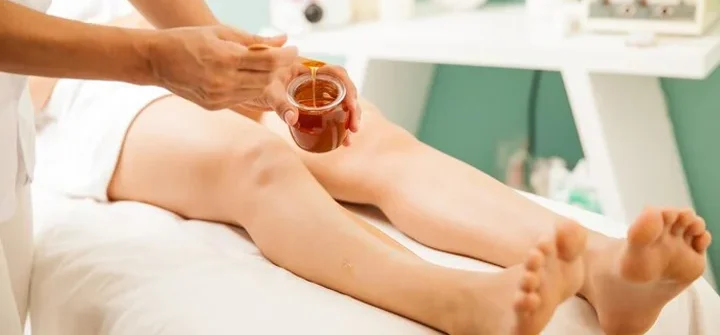
- Abhyanga — warm medicated-oil massage — is the foundation therapy, pacifying Vata and improving circulation to affected limbs.
- Dhara, a steady stream of warm medicated oil over the body, deeply relaxes muscles and the nervous system.
- Naadi Sweda (targeted tube-steaming) and Upanaha Sweda (herbal poultices) focus on specific weak or rigid muscle groups.
Head and Facial Therapies
For Ardita, facial paralysis and Bell’s palsy, therapies directed at the head are especially valuable: Shiro Abhyanga (head massage), Shiro Pichu (medicated oil-soaked cloth on the scalp), Shiro Dhara (oil poured over the forehead) and Shiro Vasti (oil retained on the head). These nourish and stimulate the cranial nerves.
Panchakarma Procedures
Under supervision, deeper procedures are used: Virechana (therapeutic purgation, often with Trivrut Lehya) to clear morbid pitta and balance Vata; Vasti (medicated enema), regarded as the single most effective therapy for correcting Vata at its root; Nasya (nasal medication), considered the best therapy for facial paralysis; and Tarpana, nourishing preparations that pacify Vata. Classical Ayurveda even connects Virechana and Vasti to the gut–brain relationship, aiding nervous-system rejuvenation.
Herbs and Formulations Commonly Used
An Ayurvedic doctor selects internal medicines by dosha pattern and recovery stage. Frequently used single herbs include Ashwagandha (strength and nerve support), Guggulu, Nirgundi, Brahmi (nerve and cognitive tonic), Shunti (dry ginger) and Rasona (garlic).
Classical decoctions such as Maharasnadi Kashayam and Sahacharadi Kashayam are widely prescribed for neuromuscular conditions. For therapies and external application, medicated oils (Thailam) like Ksheerabala Thailam, Balaashwagandhadi Thailam, Dhanwantharam Thailam and Mahamasha Thailam are chosen to match the therapy and the patient’s needs. These are prescription formulations and should never be self-administered.
Diet and Lifestyle That Support Recovery
Therapy works best when daily habits pacify Vata rather than aggravate it. Warm, freshly cooked, mildly unctuous meals with sweet, sour and salty tastes are favoured, while cold, dry, excessively pungent, bitter and astringent foods are limited. Adequate rest, avoiding late nights, not suppressing natural urges, gentle guided movement and managing stress all help keep Vata in balance. Regular Abhyanga — even as a preventive practice — is one of Ayurveda’s most recommended routines for anyone prone to Vata disorders or in the older years of life.
Rebuilding Strength After Paralysis
Relieving stiffness is only half the journey; restoring stamina and muscle tone is the other. Rejuvenative, strength-building therapy matters especially for elderly patients and those recovering from a long bedridden phase. Ayursh’s Balavardhaka home Ayurvedic therapy is built for exactly this — a nourishing, at-home programme that supports strength and mobility alongside core paralysis treatment.
What Recovery Realistically Looks Like
Recovery time depends on the cause, severity and — crucially — how early therapy begins. Cases rooted in Avarana (obstruction) often improve faster than those involving deep Dhatu kshaya (tissue depletion). Consistency matters more than intensity: steady daily sessions, the right formulations and supportive diet together give the nervous system its best chance to recover. Ayurvedic care is supportive and complementary — it works alongside medical treatment, not as a replacement for emergency care.
Frequently Asked Questions
Is Ayurvedic treatment effective for paralysis?
Ayurvedic therapies like Abhyanga, Vasti, Nasya and Swedana are traditionally used to support recovery by pacifying aggravated Vata, improving circulation and rebuilding muscle strength. Results vary by individual and are best under a qualified doctor’s plan.
Does Ayurveda help facial paralysis and Bell’s palsy?
Yes. These correspond to Ardita in Ayurveda, and head-focused therapies such as Shiro Dhara and Nasya are particularly relevant for them.
How soon should treatment start after a stroke?
Earlier is generally better once the patient is medically stable, as it improves the chances of restoring movement before deeper tissue depletion sets in. Always coordinate with the treating doctor.
Can these therapies be done safely at home?
For recovery-phase patients, yes — when planned and supervised by an Ayurvedic physician and delivered by trained therapists.
Start Doctor-Guided Paralysis Care at Home
If someone in your family is recovering from paralysis, home-based Ayurvedic therapy can make consistent care far easier. Ayursh brings certified therapists and doctor-designed plans to your doorstep across India.
Call +91 88848 33000 or book an online doctor consultation to get started.
Publishing disclaimer: This article is for educational purposes only and is not a substitute for professional medical advice. Ayurvedic therapies are complementary/supportive care and should be undertaken under a qualified physician’s guidance. Emergency symptoms require immediate medical attention.