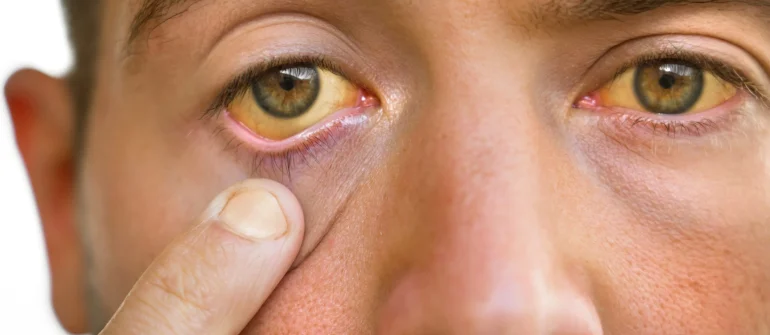
Gambhirika is a serious eye disorder described in classical Ayurveda texts, especially by Acharya Sushruta under the category of vision-related diseases. The term “Gambhira” means deep, and this condition derives its name from the characteristic appearance of the eyes, which look deeply sunken into the eye sockets, small, shrunken, and weak. Along with these visible structural changes, the disorder is associated with intense eye pain, disturbed eye movements, and gradual loss of vision.
According to Ayurveda, Gambhirika is predominantly a Vataja Netra Roga, meaning a Vata-dominant disease affecting the organs of vision. When aggravated Vata dosha affects the delicate tissues, muscles, and nerves of the eyes, it causes degeneration, dryness, deformity, and functional impairment. Classical Ayurvedic scholars considered this disorder severe and difficult to cure because of its deep involvement with the nervous system and sensory organs.
Understanding Gambhirika in Ayurveda
Ayurveda explains that the eyes are among the most delicate and important sensory organs in the body. Healthy vision depends on the balance of Doshas, proper nourishment of tissues, and efficient nerve functioning. In Gambhirika, aggravated Vata enters and damages the Netra Sandhi (eye structures), muscles, and nerves responsible for maintaining normal eye position and movement.
As Vata increases, it causes excessive dryness and tissue depletion (Dhatu Kshaya). This gradually weakens the supporting structures of the eyeball. Due to this degeneration, the eyes begin to lose their normal alignment and strength. The eyeballs appear drawn inward, giving a deeply sunken appearance. The patient may also experience severe pain, restricted movement of the eyes, crooked eye position, and progressive vision loss.
Since Vata governs all neurological and movement-related functions in the body, any major imbalance can severely affect the cranial nerves and muscles connected with eye movement. This is why Gambhirika is considered a neurological and degenerative eye disorder in Ayurvedic understanding.
Pathogenesis of Gambhirika
The development of Gambhirika begins with the aggravation of Vata dosha due to factors such as excessive dryness in diet and lifestyle, aging, chronic stress, trauma, nervous system disorders, sleep deprivation, or tissue weakness. Once aggravated, Vata localizes in the structures of the eyes and starts damaging the muscles, nerves, ligaments, and supporting tissues.
This results in degeneration and loss of muscular coordination. Gradually, the eyeballs become unstable, movements become impaired, and the eyes start appearing smaller and deeply recessed within the sockets. Vision becomes distorted, painful, and progressively weaker.
Ayurveda considers this condition deep-rooted because the pathology involves not only superficial tissues but also Majja Dhatu (nervous tissue) and important sensory pathways connected with vision.
Signs and Symptoms of Gambhirika
The symptoms of Gambhirika are distinctive and indicate serious involvement of the eye muscles and nerves. Patients commonly experience deep-seated eye pain, shrinking of the eyes, and a visibly sunken appearance of the eyeballs. The eyes may appear crooked or improperly aligned due to muscular weakness and nerve dysfunction.
As the disease progresses, movement of the eyeballs becomes restricted, leading to visual disturbances and difficulty focusing. In some individuals, double vision or abnormal eye coordination may develop. Vision gradually deteriorates and, in advanced cases, may become severely impaired.
The intense pain associated with Gambhirika is another important feature noted in Ayurvedic texts. Since Vata has qualities of dryness and roughness, it causes sharp, piercing, and severe pain in the affected structures.
Modern Correlation of Gambhirika
Modern medical experts often compare Gambhirika with cranial nerve palsies, particularly Sixth Cranial Nerve Palsy, also known as Abducens Nerve Palsy. The sixth cranial nerve controls the lateral rectus muscle, which is responsible for outward movement of the eye. Damage to this nerve affects eye coordination and alignment.
When the sixth cranial nerve becomes weak or paralyzed, the affected eye turns inward toward the nose because the lateral rectus muscle cannot function properly. This creates symptoms such as crossed eyes, double vision, restricted eye movement, and abnormal positioning of the eyeball. These findings closely resemble the Ayurvedic description of Gambhirika.
In some cases, Third Cranial Nerve Palsy may also show similar symptoms because it affects multiple muscles controlling eye movement. However, many Ayurvedic scholars and modern interpreters primarily correlate Gambhirika with Sixth Nerve Palsy.
Causes of Nerve Damage and Eye Muscle Weakness
Several neurological and structural conditions may lead to symptoms resembling Gambhirika. Head injury and trauma are among the common causes because they can directly damage cranial nerves controlling eye movement. Stroke, meningitis, brain aneurysm, nerve inflammation, and brain tumors may also impair nerve supply to the eye muscles.
Infections affecting the nervous system, vascular abnormalities, and degenerative neurological disorders can also contribute to muscle weakness and abnormal eye alignment. In these situations, the muscles controlling eye movement become partially or completely paralyzed, resulting in restricted movement and visual disturbances.
Prognosis According to Ayurveda
Ayurveda classifies Gambhirika as an Asadhya Vyadhi, meaning a difficult-to-cure or incurable disease. This is because the condition involves deep degeneration of tissues, neurological damage, and structural deformity of the eyes. Diseases dominated by severely aggravated Vata are generally considered chronic and challenging to reverse completely.
Even though complete cure may not always be possible, Ayurveda emphasizes supportive management aimed at slowing progression, reducing pain, improving nerve nourishment, and enhancing quality of life. Early intervention and proper Vata management may help control symptoms and support remaining visual and neurological function.
Ayurvedic Management Approach
The Ayurvedic approach to Gambhirika mainly focuses on pacifying aggravated Vata dosha and nourishing weakened nerves and tissues. External oleation therapies using medicated herbal oils are commonly recommended to reduce dryness and improve circulation.
Treatments such as Shiro Abhyanga (head massage), Shiro Pichu, and gentle neurological therapies help calm the nervous system and support relaxation of cranial muscles. Medicated oils like Ksheerabala Taila, Dhanwantaram Taila, and Mahanarayana Taila are often used to strengthen neurological tissues and improve circulation.
Therapies aimed at improving overall nervous system health are also beneficial in managing associated muscular weakness and stiffness. Supportive Panchakarma procedures may be advised depending on the patient’s condition and strength.
For patients suffering from neurological weakness, nerve disorders, or paralysis-related complications, supportive therapies such as Paralysis Massage at Home in Delhi can provide additional benefits by improving circulation, reducing stiffness, stimulating nerves, and supporting muscle recovery in a comfortable home environment.
Diet and Lifestyle Recommendations
Managing Vata through proper diet and lifestyle is extremely important in chronic neurological and degenerative conditions like Gambhirika. Ayurveda recommends consuming warm, freshly prepared, nourishing foods rich in healthy fats such as ghee and medicated oils. Dry, cold, stale, and excessively processed foods should be avoided because they aggravate Vata further.
Proper sleep, stress management, and avoiding excessive strain on the eyes are also important. Gentle relaxation practices, meditation, and maintaining a calm routine help stabilize the nervous system and reduce progression of Vata disorders.
Exposure to cold wind, irregular eating habits, excessive screen time, and mental stress should be minimized to protect the eyes and nervous system from further aggravation.
Final Thoughts
Gambhirika is a serious Vata-dominant eye disorder described in Ayurveda that reflects deep neurological and structural damage affecting the eyes and their supporting tissues. The condition is characterized by sunken eyes, severe pain, abnormal eye movements, and progressive visual impairment. Modern medicine closely relates it to cranial nerve palsy, particularly Sixth Cranial Nerve Palsy.
Although Ayurveda considers Gambhirika difficult to cure, supportive therapies focused on balancing Vata, nourishing nerves, and improving circulation can help manage symptoms and improve overall quality of life. With a combination of Ayurvedic treatments, proper lifestyle management, and supportive neurological care, patients may experience better comfort, stability, and functional support in chronic conditions involving nerve and muscle weakness.