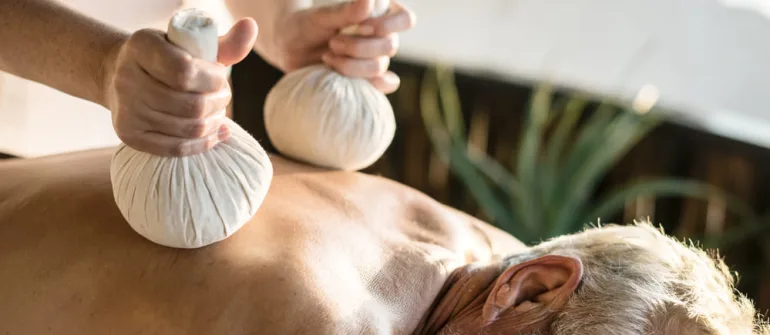
Caring for bedridden or immobile patients at home comes with unique challenges. Limited movement affects muscles, joints, skin, immunity, digestion, and emotional well-being. Over time, immobility leads to stiffness, poor blood circulation, severe dryness, weakness, and discomfort. In such situations, a carefully administered Ayurvedic massage can offer significant support.
Ayurvedic bedridden massage is not just a relaxation technique; it is a therapeutic intervention designed to strengthen the body, nourish the tissues, and support long-term recovery. This article explains the importance of Ayurvedic massage for bedridden patients, the role of Balavardhaka therapy, and a safe step-by-step approach on how to give bedridden massage at home.
Why Bedridden Patients Need Specialized Massage
A bedridden individual experiences multiple physiological limitations. Common issues include:
- Muscle atrophy due to lack of movement
- Reduced blood circulation in limbs
- Joint stiffness and pain
- Increased risk of swelling
- Extremely dry and fragile skin
- Higher susceptibility to fatigue and insomnia
- Slow neurological response in cases of stroke or paralysis
Regular or general massage techniques may not address these concerns effectively. Bedridden patients require a specialized therapeutic approach that focuses on strength, circulation, pain relief, nourishment, and safe handling of the immobile body.
How Ayurvedic Therapy Supports Bedridden Patients
Ayurveda focuses on balancing Vata dosha, improving circulation, enhancing strength, and nourishing the body’s tissues. For bedridden and immobile individuals, Ayursh offers Balavardhaka Therapy, a traditional Ayurvedic strengthening protocol designed specifically for elders, stroke patients, paralysis cases, and those confined to bed.
The therapy includes a combination of:
- Abhyanga: Traditional warm oil massage to enhance strength and circulation
- Nadi Sweda: Localized steam fomentation to reduce stiffness and pain
- Udvartana: Herbal powder massage (used when suitable for the patient)
- Pizhichil: Medicated oil bath therapy for deep nourishment
- Shirodhara: Continuous warm oil flow on the forehead to calm the nervous system
- Basti: Medicated enema therapy for Vata imbalance (recommended only after vaidya assessment)
These techniques help improve mobility, support neurological recovery, ease pain, and nourish extremely dry skin—common concerns among bedridden and immobile patients.
Benefits of Ayurvedic Massage for Bedridden Patients
Ayurvedic bedridden massage and strengthening therapy offer comprehensive benefits, including:
- Increased muscle strength and tone
- Improved blood circulation and warmth in limbs
- Reduction in stiffness, joint pain, and swelling
- Support for neurological improvement after stroke or paralysis
- Deep nourishment for dry, ageing, or sensitive skin
- Better sleep quality and reduced fatigue
- Improved mobility over time when done consistently
- Enhanced immunity and vitality
These benefits make Ayurvedic massage highly effective for immobile individuals who require continuous care.
Also, Read – Panchakarma for Arthritis: Can Detox Really Ease Joint Pain?
What Makes Ayursh Bedridden Massage Different
Ayursh provides home therapy for bedridden patients with a clinical and authentic Ayurvedic approach. Key features include:
- Therapies delivered entirely at home
- Certified and experienced Panchakarma therapists
- Vaidya assessment before starting treatment
- Use of high-quality Ayurvedic medicated oils, herbs, and tools
- Customized therapy combinations based on the patient’s health condition
- Strict adherence to safety guidelines and contraindications
- Special protocols for elderly, stroke, paralysis, and long-term bedridden patients
This ensures that every session is safe, therapeutic, and tailored to the patient’s needs.
Step-by-Step: How to Give Bedridden Massage (Ayurvedic Method)
Below is a safe guide for caregivers on how to give bedridden massage at home. This does not replace professional care but provides a clear understanding of the process.
1. Assess the Patient
- Consult a vaidya or trained therapist.
- Avoid massage during fever, acute infection, skin inflammation, or uncontrolled diabetes/hypertension.
2. Prepare the Space
- Maintain a warm, quiet environment.
- Keep fresh towels, sheets, and warm medicated oil ready.
3. Warm Oil Abhyanga
- Use Ayurvedic medicated oils recommended for Vata balance.
- Apply gentle, slow strokes:
- Long strokes on arms and legs
- Circular strokes on joints
- Avoid deep pressure; prioritize comfort and stability.
4. Nadi Sweda (Steam Fomentation)
- Apply mild steam to stiff or painful areas.
- Useful for reducing pain, stiffness, and muscle tension.
5. Condition-Specific Techniques
- For stroke/paralysis: soft limb mobilization and nerve-calming oil application.
- For severe dryness: nourishing oils used during Rasayana-type protocols.
- For pain: warm herbal poultices may be applied based on suitability.
6. Post-Massage Care
- Keep the patient warm and covered.
- Allow rest for 20–30 minutes.
- Offer warm water for hydration.
7. Consistency
Regular therapy brings the best outcomes, especially for long-term bedridden and immobile patients.
When Bedridden Massage Is Not Recommended
Avoid massage in the following situations:
- Fever
- Common cold or flu
- Acute skin inflammation or rashes
- Uncontrolled diabetes
- Uncontrolled hypertension
- Fresh injury or acute swelling
A vaidya’s assessment is strongly recommended before beginning therapy.
Why Home Therapy for Bedridden Patients Is Essential
Home-based Ayurvedic therapy is often a necessity for bedridden patients because:
- Traveling to clinics is difficult and uncomfortable
- Safe and familiar environment reduces anxiety
- Family members can supervise and assist
- Reduces infection risk for elderly or weak individuals
- Helps maintain consistent daily or weekly sessions
Home therapy ensures professional care without disrupting the patient’s comfort.
Why Choose Ayursh for Bedridden Massage
Ayursh brings authentic, traditional Ayurvedic care directly to your home. With certified Panchakarma therapists, high-quality medicated oils, vaidya-led assessment, and therapies like Abhyanga, Nadi Sweda, Pinda Sweda, Udvartana, and Shirodhara, Ayursh provides a holistic approach to bedridden care and recovery.
Whether the patient is elderly, recovering from stroke, living with paralysis, or experiencing long-term immobility, Ayursh’s Balavardhaka Therapy ensures safe, nourishing, and effective support.
Frequently Asked Questions
1. Is Ayurvedic massage safe for bedridden patients?
Yes, when performed by trained therapists after a proper vaidya assessment. Therapy should be avoided during fever, acute infections, or uncontrolled medical conditions.
2. How often should bedridden patients receive Ayurvedic massage?
Regular sessions are recommended. Frequency depends on the patient’s condition, but many bedridden patients benefit from 3–5 sessions per week.
3. Can Ayurvedic massage help stroke or paralysis patients?
Yes. Techniques used in Balavardhaka therapy help improve muscle tone, circulation, and neurological functioning, especially when done consistently.
4. Which Ayurvedic oils are best for bedridden massage?
Vata-balancing medicated oils are commonly used. The selection depends on the patient’s condition and is usually recommended by the vaidya.
5. Can caregivers perform the massage themselves?
Basic gentle strokes can be done, but therapeutic Ayurvedic massage for immobile patients requires trained Panchakarma therapists. Professional support ensures safety and effectiveness.