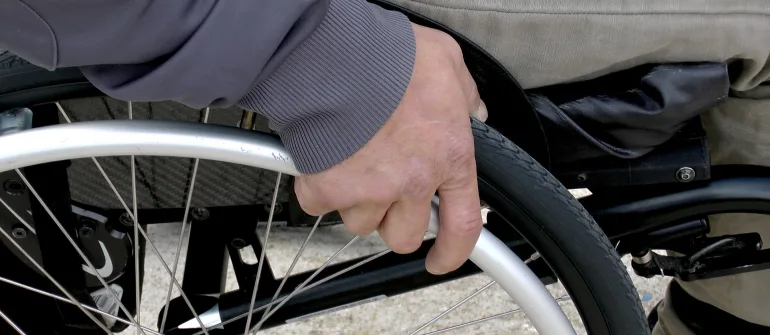
What is Paralysis?
Paralysis is a condition where a person loses the ability to move certain parts of the body. It can happen suddenly, often after a stroke, or develop slowly due to nerve damage.
Some people may lose movement on one side of the body. Others may face weakness, stiffness, or difficulty in speaking.
In Ayurveda, paralysis is called Pakshaghata. It is mainly linked to an imbalance of Vata dosha, which controls movement and nerve function.
Causes of Paralysis (Ayurvedic and Modern View)
Paralysis can happen due to different reasons. Ayurveda explains both physical and internal causes.
Common Causes
- Stroke or reduced blood flow to the brain
- Brain or spinal cord injury
- Nerve damage
- Long-term weakness or illness
Ayurvedic Causes
Ayurveda focuses on internal imbalance.
1. Vata Dosha Imbalance
Vata controls movement and nerve activity. When it becomes disturbed, communication between brain and muscles is affected.
2. Avarana (Blockage)
Blockage in body channels can stop proper blood flow and nerve signals.
3. Dhatu Kshaya (Tissue Weakness)
Weakness of muscles and nerves over time can lead to loss of movement.
These factors together affect the nervous system and lead to paralysis.
Symptoms of Paralysis
Symptoms can vary from person to person. Some may experience mild weakness, while others may face complete loss of movement.
Common symptoms include:
- Weakness in hands or legs
- Loss of movement on one side
- Difficulty in speaking
- Facial imbalance or drooping
- Numbness or tingling
- Muscle stiffness
Recognizing these symptoms early is important for better recovery.
Types of Paralysis in Ayurveda
Ayurveda explains different types based on the affected area.
Pakshaghata
Paralysis affecting one side of the body.
Ardita
Facial paralysis, where facial muscles are affected.
Sarvanga Vata
Full body involvement, affecting multiple parts.
All these conditions are part of Vata disorders.
Prevention of Paralysis
Prevention is always better than treatment. Ayurveda gives importance to daily habits and lifestyle.
Simple Preventive Measures
- Maintain a regular routine
- Eat warm and fresh food
- Avoid excessive stress
- Do mild exercise regularly
- Avoid cold and dry foods
Balancing Vata in daily life can reduce the risk of nerve-related problems.
Ayurvedic Treatment for Paralysis
Ayurveda focuses on treating the root cause and supporting gradual recovery.
Treatment usually includes therapies, oils, and medicines.
Oil Massage (Abhyanga)
Warm herbal oils are used for massage.
It helps to:
- Improve blood circulation
- Reduce stiffness
- Support nerve function
Steam Therapy (Swedana)
Steam therapy is given after massage.
It helps:
- Relax muscles
- Improve flexibility
- Reduce tightness
Basti Therapy
Basti is one of the most important treatments for paralysis.
It helps:
- Balance Vata dosha
- Nourish the nervous system
- Support deep healing
Nasya Therapy
Herbal oil is given through the nose.
It helps:
- Improve brain function
- Support nerve signals
- Useful in facial paralysis
Virechana (Detox Therapy)
This therapy helps remove toxins and improve internal balance.
It supports better functioning of the body.
Ayurvedic Medicines for Paralysis
Some commonly used medicines include:
- Yogaraj Guggulu
- Mahayogaraj Guggulu
- Ekangaveera Rasa
- Maharasnadi Kashayam
- Ashwagandharishta
- Balarishta
These medicines help improve nerve strength and muscle function when taken under proper guidance.
Important Herbs for Recovery
Herbs play an important role in Ayurvedic treatment.
- Ashwagandha supports nerve strength
- Brahmi supports brain function
- Bala improves muscle strength
- Guduchi supports immunity
- Rasna helps reduce stiffness
- Garlic improves circulation
These herbs help support natural recovery.
Role of Diet and Lifestyle
Diet and lifestyle are equally important in recovery.
What to Eat
- Warm, freshly cooked food
- Food with mild oil and ghee
- Garlic and ginger
What to Avoid
- Cold and dry food
- Processed and packaged items
- Stress and irregular habits
Following simple habits can support better healing.
Treatment at Home – A Practical Approach
Paralysis recovery needs regular care and patience.
Taking treatment at home can help:
- Patient feels comfortable
- Regular therapy becomes easier
- Less physical strain from travel
- Better support for elderly patients
At Ayursh, care is provided at home so patients can receive consistent treatment in a familiar environment.
Can Paralysis Be Managed with Ayurveda?
Ayurveda focuses on improving body function gradually.
With regular treatment, it may help:
- Improve movement
- Strengthen muscles
- Support nerve function
- Improve quality of life
Recovery depends on condition and consistency of care.
Frequently Asked Questions
1. What causes paralysis according to Ayurveda?
Paralysis is mainly caused by imbalance of Vata dosha, along with blockage in body channels and weakness of tissues.
2. Can paralysis be prevented?
Yes, maintaining a balanced lifestyle, proper diet, and reducing stress can help in prevention.
3. Which therapy is most important for paralysis?
Basti therapy is considered very important as it helps balance Vata and supports the nervous system.
4. Is home treatment effective for paralysis?
Yes, with proper guidance, treatment at home can be effective and comfortable for patients.
Start Early for Better Recovery
Paralysis requires timely attention and regular care.
With proper Ayurvedic treatment, therapies, and lifestyle support, recovery can improve step by step. Starting early and staying consistent can make a real difference.