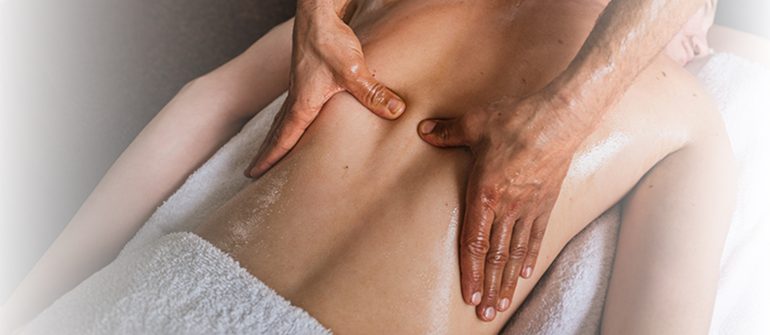
Lower back pain can develop for different reasons and may affect the muscles, spine, joints, discs, and nerves. Conditions such as L4 and L5 disc bulge, lumbar spondylosis, disc herniation, sciatica, nerve compression, inter vertebral disc prolapse, and lumbar disc herniation can be associated with lower back discomfort and restricted movement.
Ayurveda offers different approaches for managing back-related conditions. One of the traditional local therapies used for lower back concerns is Kati Basti. The term Kati refers to the lower back, while Basti refers to a compartment used to retain the medicated oil for a specific period. Ayursh currently describes Kati Basti as an Ayurvedic treatment for lower back issues and lists conditions including lower back pain, sciatica, muscle strain and stiffness, and degenerative disc diseases.
For people looking for kati basti, this traditional therapy can be provided as part of Ayurvedic care at home.
What Is Kati Basti?
Kati Basti is an Ayurvedic oil-pooling procedure performed over the lower back. A compartment is created around the affected area using a dough-like structure, traditionally made with black gram flour. Warm medicated oil is then retained inside the compartment for a specific duration.
The area covered can include the lumbar region, Sacro Iliac Joint, and tail bone area depending on the treatment procedure. The warm oil remains in contact with the lower back during the treatment, after which the compartment is removed and the area may be gently massaged.
The Ayursh Kati Basti page specifically describes the therapy as a treatment for lower back issues and lists lower back pain, sciatica, muscle strain and stiffness, and degenerative disc diseases among its indications.
Conditions Associated With Lower Back Pain
Lower back pain can have different causes. Some conditions that can involve the lumbar region include L4 and L5 Disc Bulge, Lumbar Spondylosis, Disc Herniation, Lower Back Pain, Spine issue, Lumbago, Sciatica, Nerve compression, and related musculoskeletal concerns.
Sciatica can produce Radiating Pain from Thigh to Leg when a spinal nerve root is affected. The reference material describes sciatic pain as beginning in the lower back and travelling through the back of the thigh and outer side of the leg.
Another condition associated with lower back pain is inter vertebral disc prolapse, also referred to as lumbar disc herniation or spinal disc herniation. A disc can become bulged or displaced and may affect a nerve root, resulting in pain and other symptoms in the leg.
Other conditions mentioned in the reference include Cervical Spondylosis, Spondylosis, coccydynia, and spina bifida occulta. These conditions are different from one another, so proper assessment is important before selecting an Ayurvedic treatment approach.
Kati Basti and Sciatica
Sciatica can involve pain that begins in the lower back and travels through the hip, thigh, and leg. It can be associated with nerve compression in the lower back.
Kati Basti is traditionally used as a local therapy for lower back conditions, including sciatica. The warm medicated oil is retained over the lumbar area for a fixed duration, followed by appropriate post-treatment procedures.
When symptoms include shooting pain, numbness, weakness, or significant radiating pain, the underlying condition should be properly assessed. Kati Basti should be selected as part of an Ayurvedic treatment plan based on the individual’s condition.
How Kati Basti Is Performed
Kati Basti is performed through three broad stages:
- Poorva Karma – pre-treatment procedures
- Pradhana Karma – the main treatment procedure
- Paschat Karma – post-treatment procedures
The treatment is planned after assessing the individual’s Prakriti, Vikriti, disease condition, and Dosha involvement.
Poorva Karma
Poorva Karma refers to the preparatory procedures performed before Kati Basti.
The patient is examined and the Prakriti and Vikriti are assessed. The treatment plan, materials, medicines, and associated therapies are selected according to the condition.
The reference also discusses Virechana or detoxification as a preparatory procedure in selected treatment plans.
Rukshana therapy can also be used before Kati Basti when dryness or excess Ama and Kapha-related stiffness are present.
Churna Pinda Sweda Before Kati Basti
Churna Pinda Sweda is a powder-bolus fomentation procedure that can be included as part of the preparation.
The powders used can be selected according to the condition. The reference mentions Rasnadi churna, Kottamchukkadi Churna, Jatamayadhi Churna, and Kolakulathadhi churna among the powders used for Churna Pinda Sweda.
The purpose and selection of the powder depend on the symptoms and Dosha involvement.
Pradhana Karma: The Main Kati Basti Procedure
During Pradhana Karma, the patient generally lies in a prone position. A dough ring is prepared around the lower back to create a compartment.
The ring is positioned over the prescribed lumbar area. Warm medicated oil is then poured into the compartment and retained for the prescribed period.
The oil temperature is maintained throughout the procedure by replacing the oil with warm oil when necessary.
The choice of oil depends on the condition and Ayurvedic assessment.
Oils Used During Kati Basti
The reference lists several oils and medicated preparations that can be used for Kati Basti or associated Abhyanga, including:
- Ksheerabala thaila
- mahanarayana thaila
- mahamasha thaila
- Pinda Thailam
- Murivenna Thaila
- Sahacharadhi Thaila
- Guggulutiktaka Ghritam
The appropriate oil is selected according to the disease condition and the Ayurvedic doctor’s assessment.
Patra Pinda Sweda and Related Ingredients
Patra Pinda Sweda can be included as a related therapy after Kati Basti in selected cases.
The leaves used in Patra Poli can include Eranda, Nirgundi, Arka, and Chincha. Other ingredients mentioned in the reference include Lemon, Coconut Grating, Saindhava Lavana, rock salt, and Sathapushpa.
The leaves and other ingredients are prepared into a bolus and used for fomentation over the affected area. The exact combination depends on the treatment plan.
Paschat Karma After Kati Basti
Paschat Karma refers to the post-treatment procedures following Kati Basti.
Once the prescribed duration is completed, the oil and dough compartment are removed. A gentle Abhyanga can then be performed using the selected oil. The reference describes light massage after the oil-pooling procedure.
Other therapies can also be included depending on the individual’s condition. These include:
- Shasthika Shali Pinda Sweda
- Swedana
- Matra Vasti
- Nitya Virechana
The combination of therapies should be decided by the Ayurvedic doctor rather than applying every procedure to every patient.
Ayurvedic Medicines and Supportive Therapies
The reference discusses different Ayurvedic medicines that may be selected for lower back pain, stiffness, sciatica, and related conditions.
These include:
- Gandharvastadi kashayam
- Gandharvasthadhi Thailam
- Rasnasapthakam Kashayam
- Dhanwantharam Kashayam
- Guluchyadi Kashayam
- Ksheerabala Thaila 101 capsule
- Dhanwanthara thaila 101 capsule
- Abhayarishtam
- Gandharvarishtam
- Balarishtam
- Yogaraja Guggulu
- Kaisora Guggulu
These medicines should not be considered as a fixed combination for every patient. Their selection and dosage depend on the individual’s condition and the Ayurvedic doctor’s assessment.
Understanding Vayu, Pitta, and Kapha
Ayurvedic treatment planning considers the involvement of Vayu, Pitta, and kapha.
The reference explains that different patterns of pain, stiffness, inflammation, and other symptoms can be associated with Dosha involvement. Treatment procedures and medicated oils are therefore selected according to the patient’s condition rather than following one identical protocol for everyone.
This is why proper Ayurvedic assessment is important before starting Kati Basti or combining it with other therapies.
Kati Basti for Back Pain at Home
Home-based Ayurvedic treatment can make traditional therapies more accessible to people dealing with lower back discomfort and mobility difficulties.
Ayursh offers Kati Basti as a home Ayurvedic therapy. The current Ayursh page describes the procedure, its indications, contraindications, and the treatment setup for home care.
The therapy page also states that doctor consultation is recommended before taking the therapy. This is particularly important when back pain is associated with disc problems, nerve compression, radiating pain, or other spine-related concerns.
Founded by Raghavan Pichumani, Ayursh provides Ayurvedic home treatments across India and in selected international locations.
When Kati Basti Should Be Avoided or Modified
Kati Basti is not suitable in exactly the same way for every person.
The Ayursh Kati Basti page specifically mentions difficulty lying in the prone position as a contraindication. It also notes that people with Ama-related pain should be examined by an Ayurvedic doctor before treatment.
People experiencing severe, persistent, or unexplained back pain should undergo appropriate medical assessment. Symptoms such as significant weakness, severe nerve-related symptoms, or progressive problems require proper clinical evaluation rather than relying only on local therapy.
Kati Basti as Part of Ayurvedic Back Care
Kati Basti is a traditional Ayurvedic local therapy focused on the lower back. It involves retaining warm medicated oil over the lumbar area using a specially prepared compartment.
It is traditionally used in conditions such as Lower Back Pain, Lumbago, Sciatica, Lumbar Spondylosis, Disc Bulge, Disc Herniation, inter vertebral disc prolapse, lumbar Disc herniation, muscle stiffness, and related back conditions.
The treatment can be combined with procedures such as Churna Pinda Sweda, Patra Pinda Sweda, Abhyanga, Shasthika Shali Pinda Sweda, Swedana, Matra Vasti, or Nitya Virechana when indicated.
The selection of treatment should be based on Prakriti, Vikriti, Vayu, Pitta, kapha, the nature of the condition, and the Ayurvedic doctor’s assessment.
Frequently Asked Questions
What is Kati Basti used for?
Kati Basti is a traditional Ayurvedic oil-pooling therapy performed over the lower back. Ayursh lists lower back pain, sciatica, muscle strain and stiffness, and degenerative disc diseases among the conditions for which it is used.
Can Kati Basti be used for sciatica?
Kati Basti is traditionally used for sciatica and lower back conditions. Sciatica can involve pain travelling from the lower back through the hip, thigh, and leg because of spinal nerve involvement.
Which oils are used for Kati Basti?
Depending on the treatment plan, oils such as Ksheerabala thaila, mahanarayana thaila, mahamasha thaila, Pinda Thailam, Murivenna Thaila, and Sahacharadhi Thaila can be used. The oil is selected according to the individual’s condition.
What are Poorva Karma and Paschat Karma in Kati Basti?
Poorva Karma refers to the preparatory procedures before Kati Basti, including assessment of Prakriti and Vikriti and selected preparatory therapies. Paschat Karma refers to the procedures performed after Kati Basti, which can include Abhyanga and other therapies according to the treatment plan.
Can Kati Basti be provided at home?
Yes. Ayursh currently offers Kati Basti as a home Ayurvedic therapy. Doctor consultation before taking the therapy is recommended according to the Ayursh treatment page.